 Advice
Bichon Frise
The Bichon Frise as a family dog: a cheerful white cloud full of love
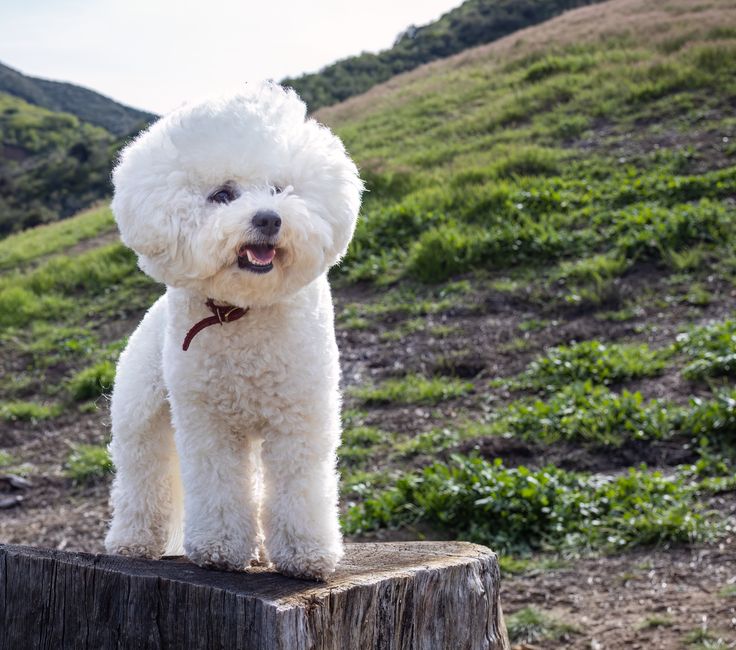
With its curly white coat and friendly little eyes, the Bichon Frise is one of the most strokeable dog breeds around. But choosing a dog on looks alone is never a good idea. Fortunately, the Bichon Frise also has a lot to offer families in terms of character. In this article, we look at why this little breed is often such a good fit for family life at home, and what you should still bear in mind.
A cheerful and sociable character
The Bichon Frise was originally bred as a companion dog, and it shows. The breed is extremely people-oriented, playful and affectionate. Bichons enjoy attention and give it back just as easily. They are rarely aggressive or suspicious and are usually open towards strangers, other dogs and even cats. For families looking for a dog that gets on well everywhere and with everyone, this is a big plus.
Interacting with children
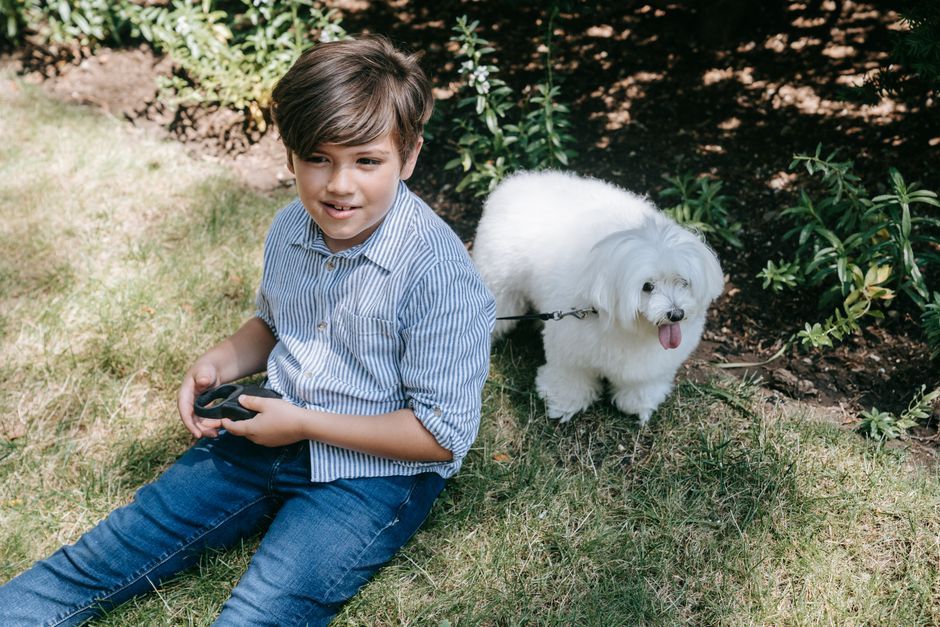
Bichon Frises are known as patient and playful dogs that are good with children. Their size makes them less intimidating for young children than a large dog, and their friendly nature means they are rarely quick to become irritated. Nevertheless, as with any breed, it is important to supervise play between child and dog. Small dogs are more easily injured during rough play, so teach children to treat the dog calmly and respectfully.
- Teach children not to pick the dog up awkwardly
- Provide moments of rest so that the dog does not become overstimulated
- Involve children in simple training, such as practising commands
- Supervise play between young children and the dog
Suitable for different living situations
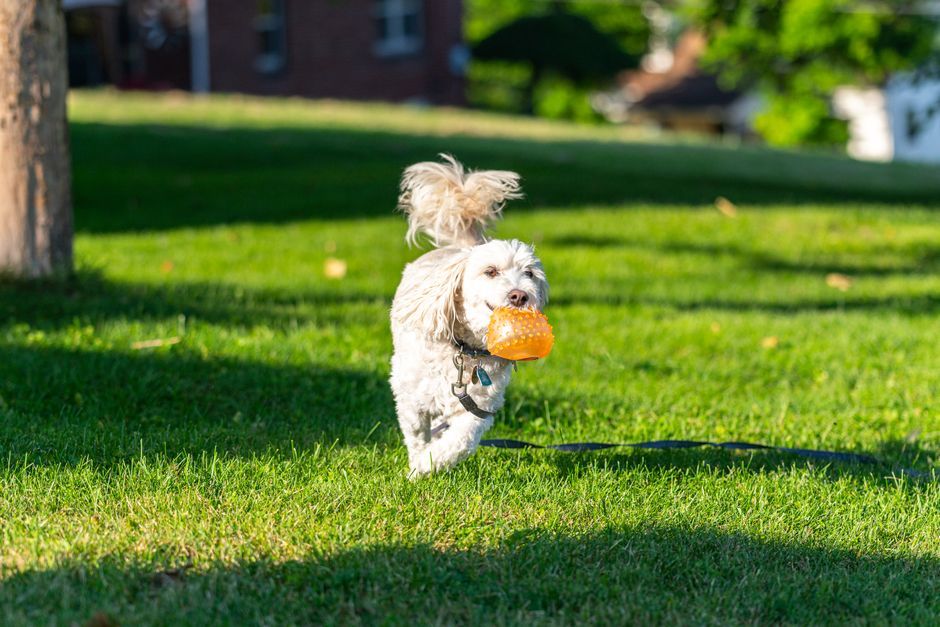
A great quality of the Bichon Frise is its adaptability. This breed does well in a flat, but also feels at home in a house with a garden. Bichons do not need a huge amount of space, which makes them suitable for families without a large outdoor area. Daily exercise is still important, though: think of walks and playtime to burn off energy.
The Bichon Frise is like a little ray of sunshine in the home: always happy, always close by.
Breeders on the breed’s character
Grooming as part of family life
The Bichon Frise’s striking curly white coat needs regular grooming. Weekly brushing is a must to prevent tangles, and many owners have their dog trimmed periodically at a professional grooming salon. For families, this can be a pleasant shared task: children learn responsibility at a young age by helping with brushing and grooming. This little breed also sheds very little hair; whether that helps with an allergy differs from person to person.
Separation anxiety and being alone
One thing to bear in mind with the Bichon Frise is its strong attachment to the family. This little breed can find it hard to be left home alone and is prone to separation anxiety if it is not taught to cope. For families where there is nearly always someone at home, or where short periods alone are built up gradually, this is usually not a problem. Working families who are out all day should think this through carefully and perhaps make a plan, such as a dog sitter or doggy day care.
Trainability and upbringing
Bichons are intelligent and eager to learn, which makes training relatively easy compared with some other small breeds. Positive training methods with plenty of rewards work very well. Consistency is important, because its cute looks mean this breed can sometimes get a little spoilt, which can lead to undesirable behaviour later on. Early socialisation and a clear, loving upbringing lay a solid foundation for a well-balanced adult dog.
A warm addition to the family
The Bichon Frise combines a friendly character, adaptability and a manageable size, making the breed a lovely choice for many families. It is important, however, to take its need for company and its regular coat care into account. If you are considering bringing a Bichon Frise into your home, also consult a vet about health and welfare questions specific to your situation.