Breed behaviour in dogs: why every dog is different after all
Anyone who’s ever walked through a dog park will already know this: no two dogs are the same. Yet you often notice that certain breeds behave in a recognisable way. A Border Collie trying to herd sheep even though there’ve never been any sheep around, or a Labrador that puts anything and everything in its mouth. Breed-specific behaviour is real, but it’s not the whole story. In this article, we look at some of the most entertaining facts about dog breeds and their behaviour, and explain why your own dog might sometimes react in surprisingly different ways.
Sheepdogs: always hard at work
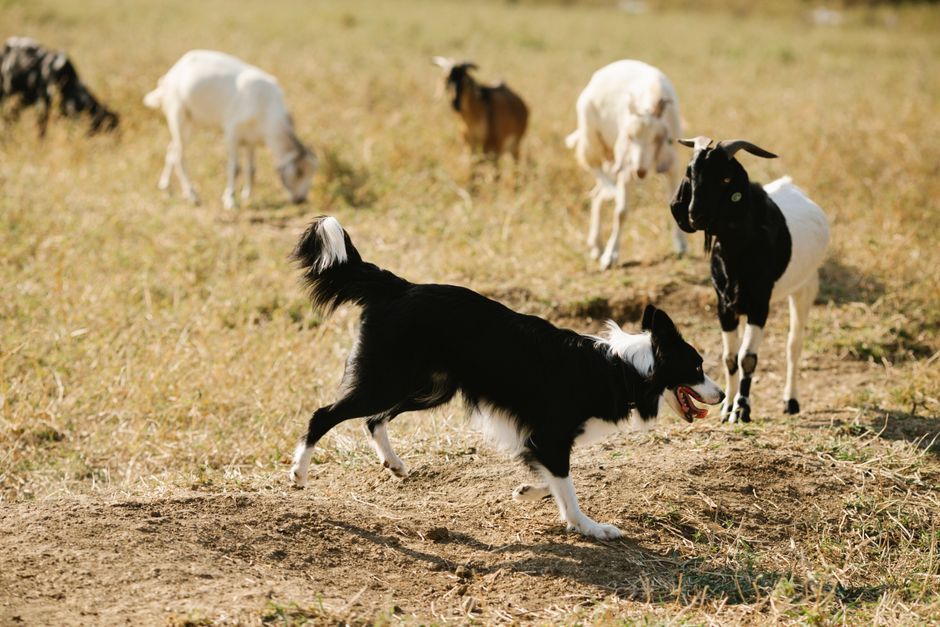
Breeds such as the Border Collie, the German Shepherd Dog and the Australian Shepherd have been bred for centuries to herd livestock. It’s deeply ingrained in them. These dogs often have lots of energy, are intelligent and love to be given a job to do. Without enough stimulation, they can get bored, and this sometimes manifests itself in behaviour such as barking, digging or chasing after cyclists and joggers. Funnily enough, some herding dogs will even try to ‘herd’ children or other pets by circling around them.
Hunting dogs: nose to the ground
Beagles, Dachshunds and Bassets were bred to track and hunt. Their nose is their most important sense, and you’ll notice this on every walk. They can easily ‘lose’ their way because an interesting scent catches their attention. Some hunting dogs also tend to bark or howl loudly as soon as they pick up a trail, something that was originally intended to let the hunter know where they were.
Companion dogs: small dogs, big personalities
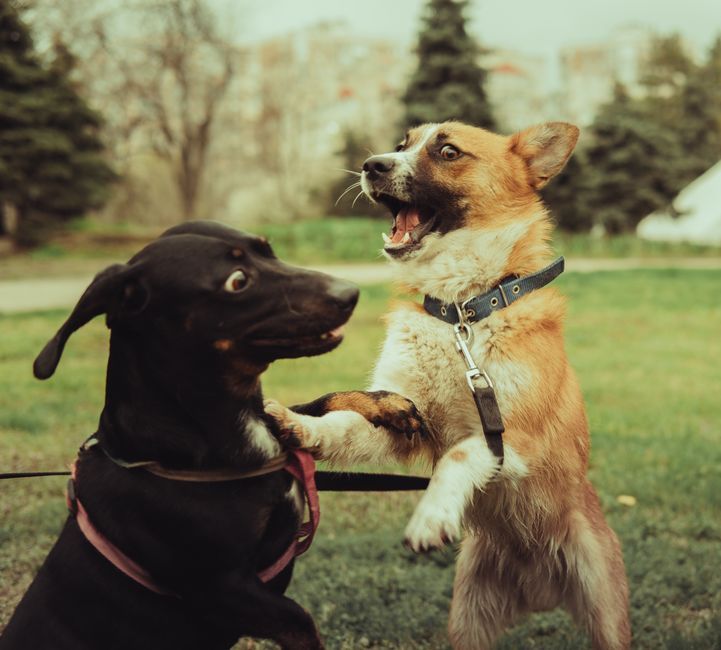
Breeds such as the Chihuahua, the Pomeranian and the Cavalier King Charles Spaniel have often been kept as lap dogs for centuries. They are generally very attached to their owners and may feel insecure around strangers or other dogs. However, there are significant differences: the Cavalier is often friendly and sociable, whilst smaller terrier-type companion dogs sometimes react more fiercely than you might expect from such a small dog.
Fun facts about breed behaviour
- The Basenji, also known as the ‘barkless dog’, makes a sort of yodelling sound rather than an actual bark.
- Border Collies are known as one of the most intelligent breeds and can learn to remember hundreds of words and commands.
- Some hunting dogs, such as the Pointer, literally stand stock-still when they catch the scent of game, a behaviour known as ‘pointing’.
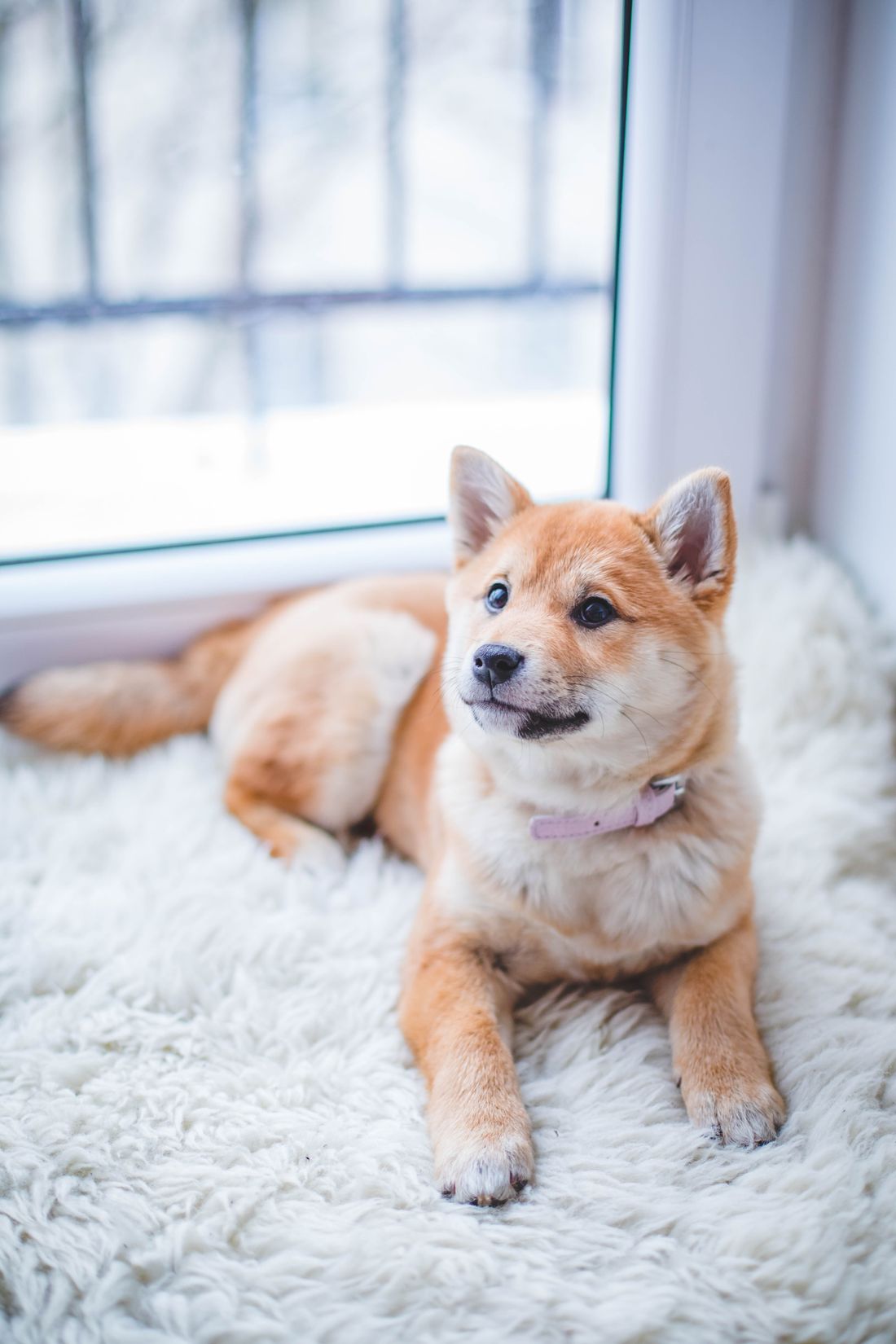
- The Shiba Inu is notorious for the so-called ‘shiba scream’, a high-pitched sound the dog makes when it’s not happy about something.
Why behaviour does vary from dog to dog
Although breed-typical behaviour provides a good indication, it is not a hard and fast rule. Every dog is an individual with its own personality, shaped by upbringing, socialisation and experiences. Physical factors also play a role. In female dogs, for example, behaviour can change significantly whilst in heat. Some bitches become more affectionate at this time, whilst others become somewhat more irritable or restless. Hormonal fluctuations associated with false pregnancy can also affect mood and behaviour.
Age also plays a major role. A four-month-old puppy behaves differently from a three-year-old adult dog, and senior dogs may become calmer or, conversely, more irritable. Health, stress levels and the living environment all influence how a dog behaves on a day-to-day basis, regardless of what is ‘in the breed’s nature’.
Breed behaviour points you in a direction, but the dog itself writes its own story.
Puppymakelaar
Understanding as a foundation
Understanding typical breed behaviour helps you to understand your dog better and train it more effectively. But always remember to focus on the individual dog in front of you, with its own unique personality and needs. If you notice any sudden or unexplained changes in your dog’s behaviour, it’s always wise to consult a vet if in doubt.