 General articles
Diarrhoea in dogs: causes and what to do
A dog with diarrhoea is a cause for concern for many owners. Fortunately, diarrhoea is usually harmless and clears up on its own. Still, it is good to know what might be going on and when you need to take action.
Common causes
Diarrhoea can be caused by many factors. Often it is something temporary, such as a change in food or eating something that disagreed with the dog. Sometimes something more serious is going on, such as an infection or parasites.
- Sudden switch to a different food
- Eating rubbish, grass or something indigestible
- Stress, for example from moving house or a hectic environment
- Worms or other parasites
- Viral or bacterial infections
- Food sensitivities or allergies
What can you do yourself?
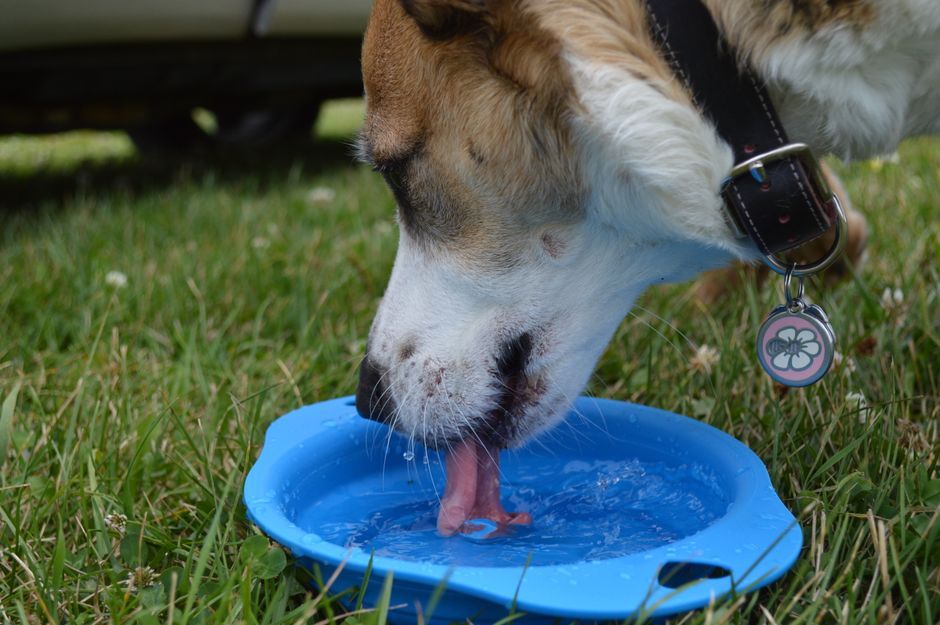
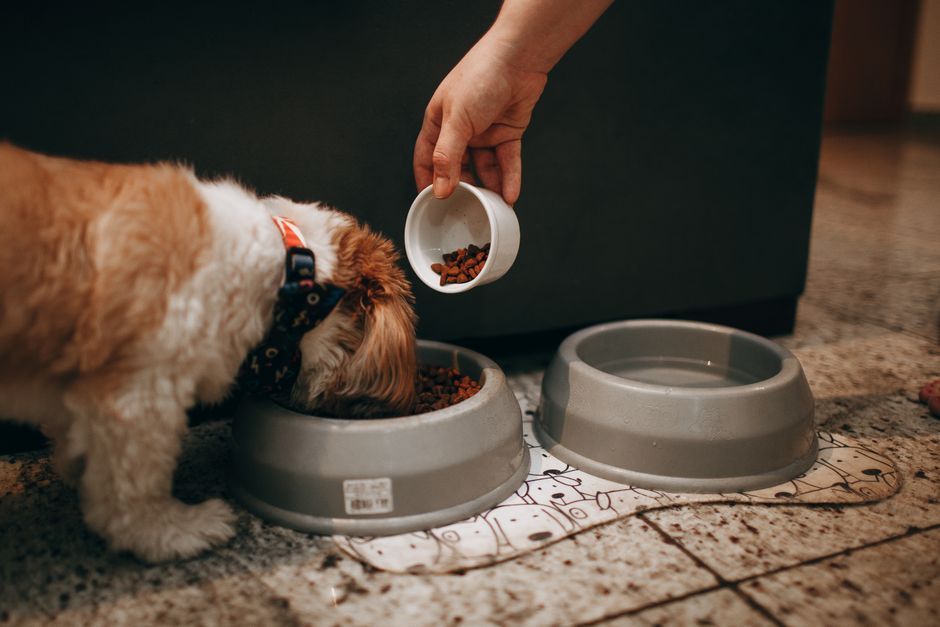
With mild, short-lived diarrhoea, you can often do a lot yourself to improve things. Make sure your dog keeps drinking enough, because dehydration is the biggest risk. A day of easily digestible food, such as boiled chicken with rice, can give the gut a rest.
- Offer small amounts of water regularly
- Give an easily digestible meal for a while
- Avoid treats and snacks
- Keep a close eye on the stools and the dog’s behaviour
When should you be on your guard?
If the diarrhoea lasts longer than a day or two, or if you see blood, mucus or extreme lethargy, caution is advised. It is also important to act quickly with young puppies, older dogs or animals with underlying conditions, because they dehydrate faster.
Diarrhoea is often the body’s way of signalling that something is out of balance: listen to it, but don’t panic straight away.
Prevention is better than cure
Always introduce new food gradually, don’t give table scraps and make sure your dog is wormed regularly as advised by your vet. A fixed feeding routine also helps to keep digestion stable.
If the diarrhoea persists or gets worse, or if you are unsure about the cause or your dog’s health, always consult a vet for advice and, if necessary, further examination.