 Raising and training
Akita Inu
Raising and training an Akita Inu: patience, respect and consistency
The Akita Inu is an impressive dog with a rich history as a guard dog and hunting dog in Japan. That background has shaped the Akita into a confident, intelligent and fairly independent breed. Anyone who brings an Akita into their home needs to realise that training works a little differently than with dogs that are naturally more biddable. With the right approach, however, an Akita will grow into a loyal, well-balanced companion.
A strong-willed character
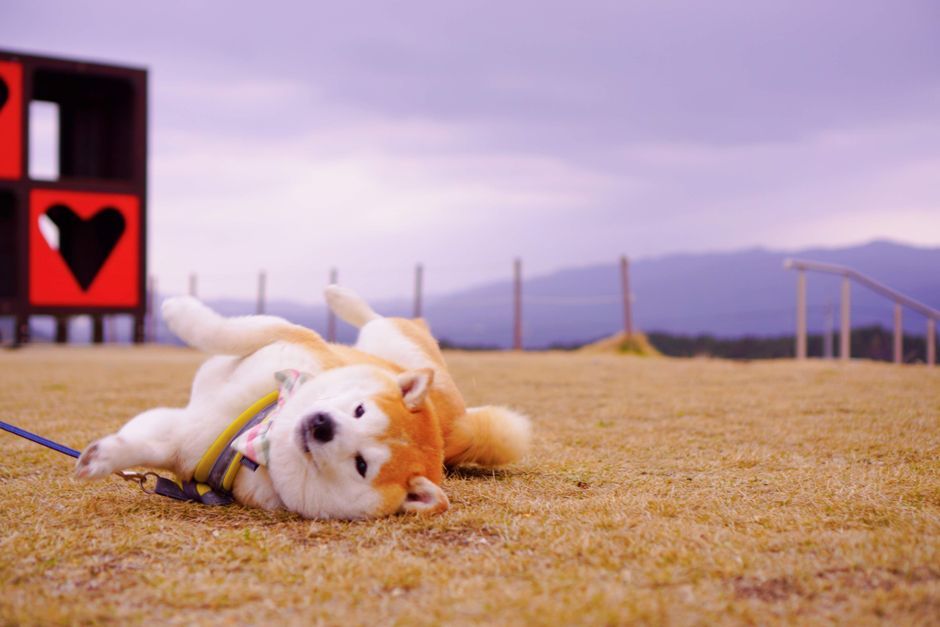
Akitas are known for their independent spirit. They are not as focused on pleasing their owner as, say, a Golden Retriever. This does not mean they are unmanageable, but it does mean that standard reward techniques sometimes have less effect. An Akita likes to think for itself and regularly asks the question: why should I do this? As the owner, it is your job to answer that question patiently and consistently.
Raising an Akita is not a battle over who is boss, but a process in which you learn to trust each other.
Experienced Akita breeder
Early socialisation is essential
Because Akitas can be naturally somewhat wary of strangers and other dogs, early and broad socialisation is crucial. Make sure your puppy gets to know different people, sounds, environments and other dogs from the very first weeks. Do this calmly and positively, without overwhelming the puppy. A well-socialised Akita grows up to be a stable adult dog that is less likely to react fearfully or aggressively to new situations.
- Introduce your puppy to all kinds of people: children, older people, people wearing caps or carrying umbrellas
- Go for walks in different settings: town, woods, busy streets and quiet parks
- Organise short, positive encounters with other sociable dogs
- Gradually get the puppy used to noises such as traffic, vacuum cleaners and thunderstorms
Consistent and calm leadership
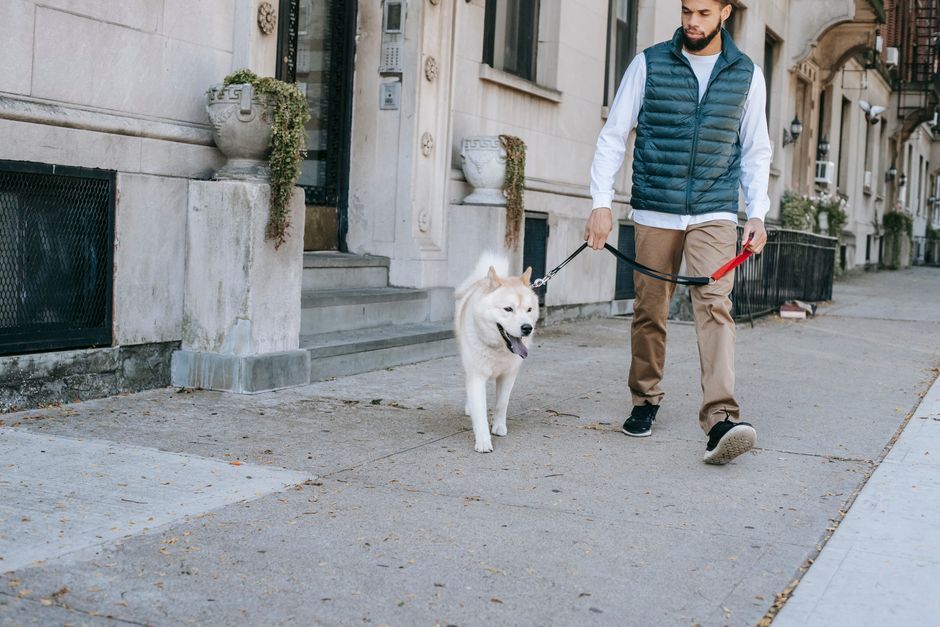
Akitas respond best to a calm, clear and consistent owner. Harsh corrections or a lot of shouting are counterproductive: the dog is more likely to become suspicious or withdrawn than obedient. Instead, work with clear rules that you apply consistently from day one. Agree with the rest of your household which rules apply, such as whether the dog is allowed on the sofa, and make sure everyone sticks to them.
Positive reinforcement is the foundation of good training. Reward desired behaviour with your voice, attention or a treat, and ignore unwanted behaviour as much as possible instead of punishing it. Akitas remember patterns well, so repetition and consistency pay off more in the long run than harsh corrections.
Training: short, varied and rewarded
Because Akitas get bored quickly with endless repetition, short training sessions of ten to fifteen minutes work best. Vary the commands, alternate between food and toy rewards, and end every session on a positive note. Teach basic commands such as sit, stay and come step by step, with plenty of patience for the moments when the dog seems to be following its own agenda.
- Keep training sessions short but frequent
- Use high-value rewards that really motivate the Akita
- Stay calm if the dog doesn’t listen for a moment; repeat rather than punish
- Build in mental stimulation with scent games and puzzles
Lead training and interaction with other dogs
Many Akitas naturally have a strong prey drive and protective instinct, which can show itself in pulling on the lead or an alert stance towards other dogs. So start lead training early and teach the dog to walk calmly beside you without pulling. Introduce other dogs gradually and in calm circumstances, and do not intervene in a panic when tension rises, but calmly redirect the dog’s attention.
When to call in professional help
If you have doubts about your Akita’s behaviour, or notice persistent fear, aggression or other worrying signs, it is wise to call in an experienced dog trainer or behaviourist who is familiar with northern breeds. They can help you develop a tailored approach. If you have any concerns about your dog’s health or welfare, always consult a vet.