Raising and training a Miniature Poodle: a quick learner with character
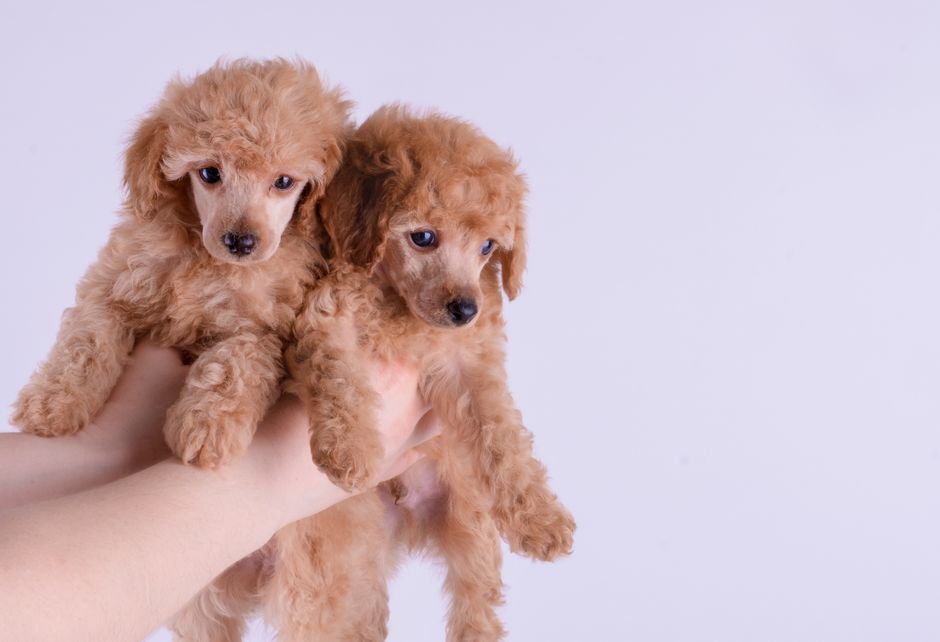
The Miniature Poodle is a real all-rounder: small in size, highly intelligent and incredibly devoted to its owner. This makes the breed a favourite with both families and older people. However, a clever dog can also get bored or develop a mind of its own if it isn’t given enough stimulation. With the right upbringing, your Miniature Poodle will grow into an obedient, sociable companion who’ll happily join in with everything.
Why it’s important to start early
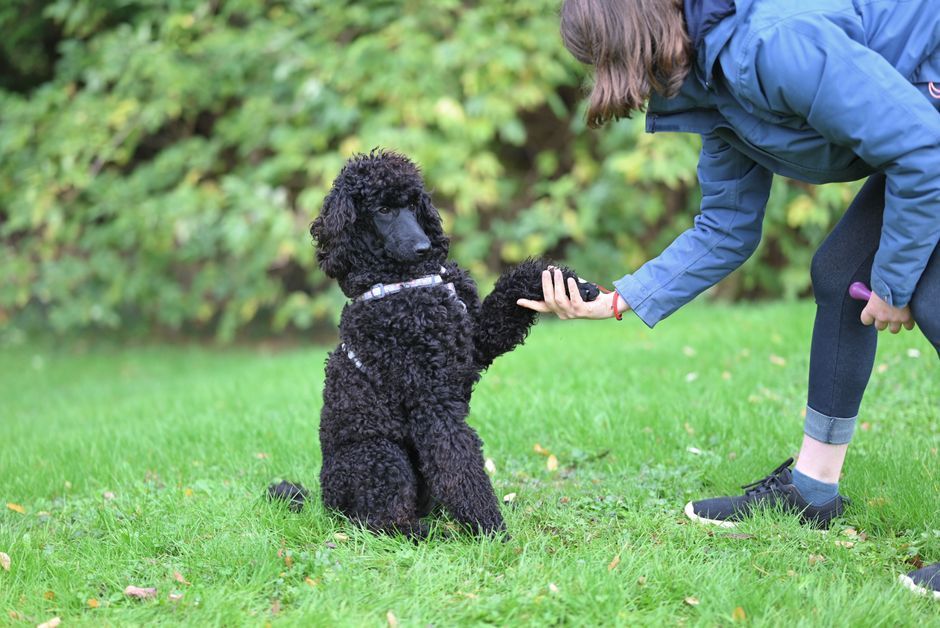
As soon as your puppy comes home, training actually begins. Miniature Poodles learn incredibly quickly, and unfortunately, this also applies to undesirable behaviour. Jumping up at visitors, barking for attention or pulling on the lead: if you let this happen because you think it’s cute, it will soon become a habit. So make sure you set clear rules and are consistent from day one. Everyone in the family must apply the same boundaries, otherwise the puppy will become confused about what is and isn’t allowed.
Socialisation: the foundation for a well-balanced dog
The first four months are crucial for your Miniature Poodle’s social development. During this period, he learns what is ‘normal’ in the world around him. Introduce your puppy to different people, other dogs, sounds and situations in a calm, positive way. Think of a walk along a busy street, a visit to the vet without any treatment, or the sound of the hoover. The wider the range of these experiences, the more confident your dog will become later on.
- Introduce the puppy to children, older people and people wearing, for example, a cap or carrying an umbrella
- Gradually introduce him to other pets and other dogs
- Take him with you in the car, on your bike or on public transport, in short, positive sessions
- Introduce everyday sounds such as the doorbell, traffic and household appliances
Positive training works best
Miniature Poodles respond very well to positive reinforcement. Reward desired behaviour with a tasty treat, a stroke or an enthusiastic word, and ignore or interrupt undesired behaviour without punishing the dog. Harsh corrections or shouting are counterproductive with this sensitive breed; they can make a Miniature Poodle feel insecure or even anxious. Keep training sessions short but frequent, around five to ten minutes, several times a day. This is perfectly suited to a puppy’s short attention span and prevents training from becoming boring.
A Miniature Poodle doesn’t just want to obey you; above all, it wants to work with you. Make the most of that.
Dog trainer on the Miniature Poodle
House-training and basic commands
Thanks to their intelligence, Miniature Poodles can often be house-trained relatively quickly, provided you are consistent. Take your puppy outside regularly: after sleeping, eating, playing and every hour during the day. Reward him immediately when he does his business outside. As well as house-training, you can start teaching basic commands such as ‘sit’, ‘down’, ‘come’ and ‘stay’ from an early age. Use short, clear words and be consistent with your commands, so that the dog isn’t confused by changing instructions.
A mental challenge alongside physical training
A Miniature Poodle needs physical exercise, but it definitely needs mental stimulation too. Without enough of a challenge, he may get bored, which can lead to destructive behaviour or excessive barking. Scent games, puzzle toys and learning new tricks keep his brain active. Many Miniature Poodles also excel at dog sports such as agility or flyball, which are a great outlet for their energy and intelligence.
- Hide pieces of kibble around the house or garden for a scent game
- Use a puzzle feeder instead of a standard food bowl
- Teach new tricks such as ‘roll over’ or ‘give paw’
- Consider a dog sport such as agility or nosework
Dealing with separation anxiety
Dealing with separation anxiety
Miniature Poodles often form strong bonds with their owners, which is lovely, but can also lead to separation anxiety if they don’t learn to be on their own. Build this up gradually by leaving your puppy on its own for short periods from an early age, in a safe, comfortable space. Start with a few minutes and gradually increase the time. This way, your puppy will learn that being on its own isn’t scary and that you’ll always come back.
Patience and consistency: the key to success
The biggest pitfall when training a Miniature Poodle is inconsistency. Because they learn so quickly, they’ll soon pick up on it if rules aren’t always enforced in the same way. Stay patient, repeat exercises regularly and celebrate the little successes. With love, structure and positive training, your Miniature Poodle will grow into an intelligent, obedient and cheerful companion, providing years of enjoyment. If, despite a good approach, you notice that your dog is displaying anxious, aggressive or excessively stressed behaviour, always consult a vet or a qualified behaviourist if in doubt.