 Raising and training
Shiba Inu
Raising a Shiba Inu: tips for a headstrong sweetheart
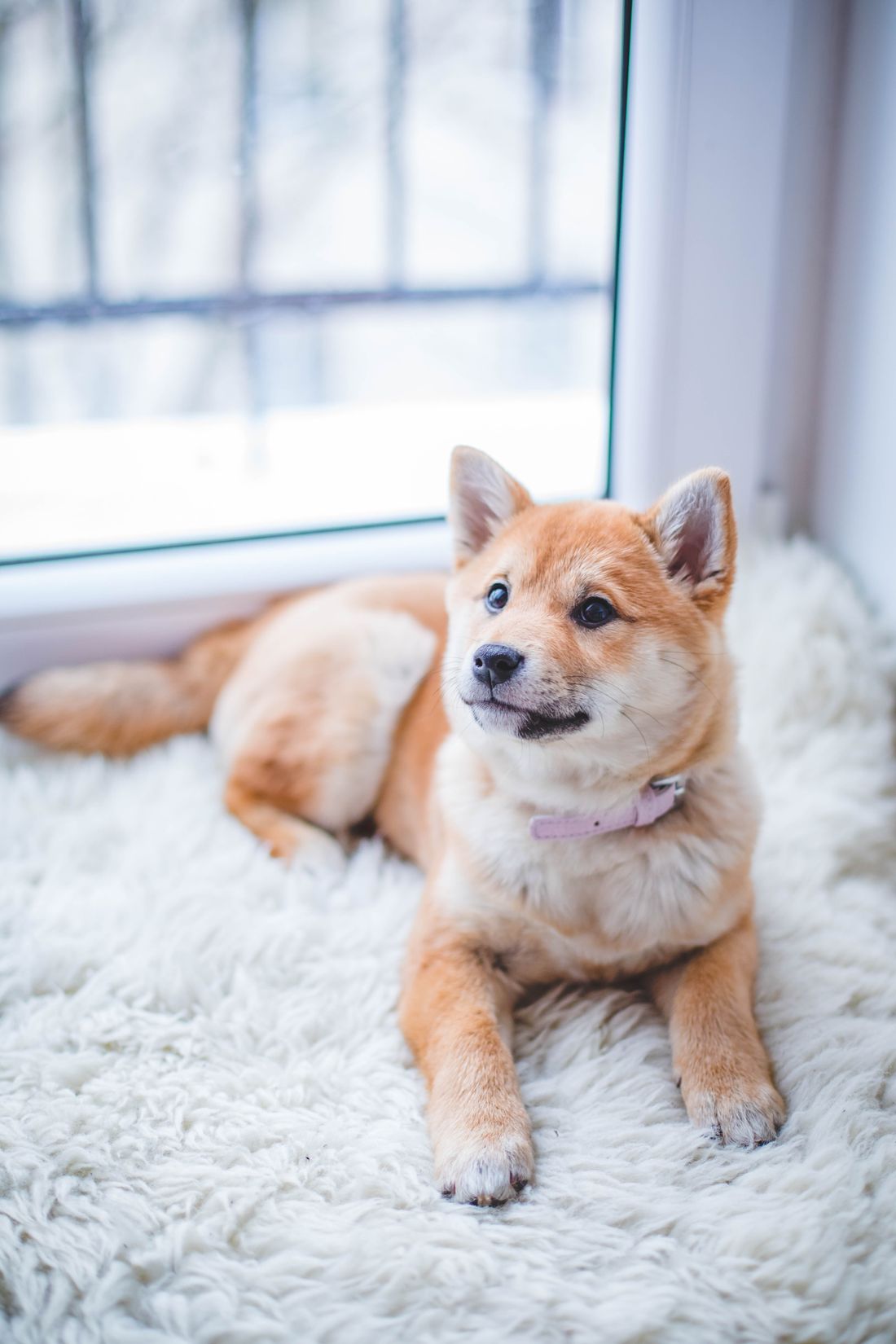
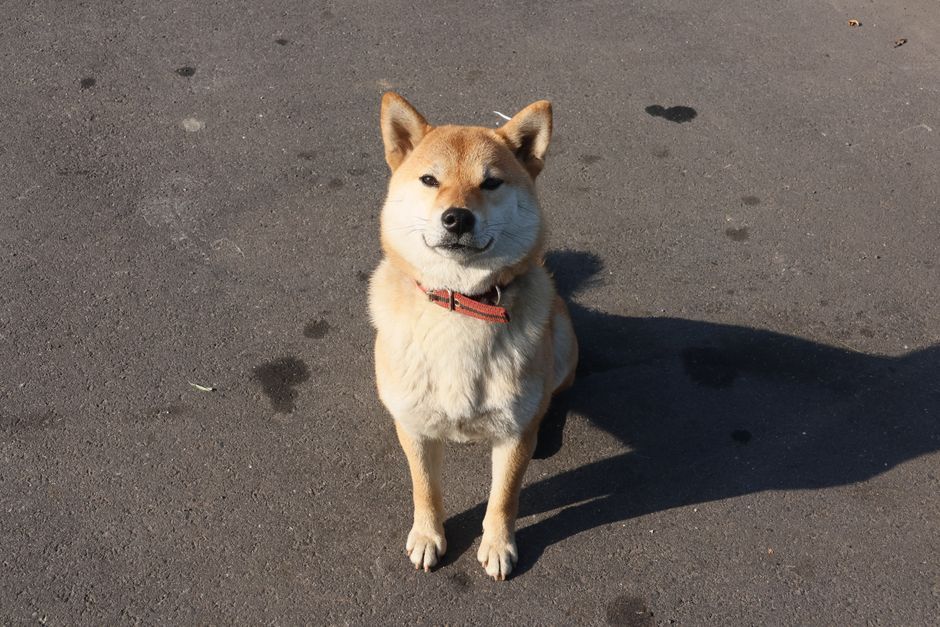
The Shiba Inu is known as the cat of the dog world: clean, independent and not always inclined to do what you ask. That makes this Japanese Spitz a much-loved but also challenging breed to raise. Once you understand how a Shiba Inu thinks, you will find that consistent, smart training pays off handsomely.
Understand your Shiba’s character
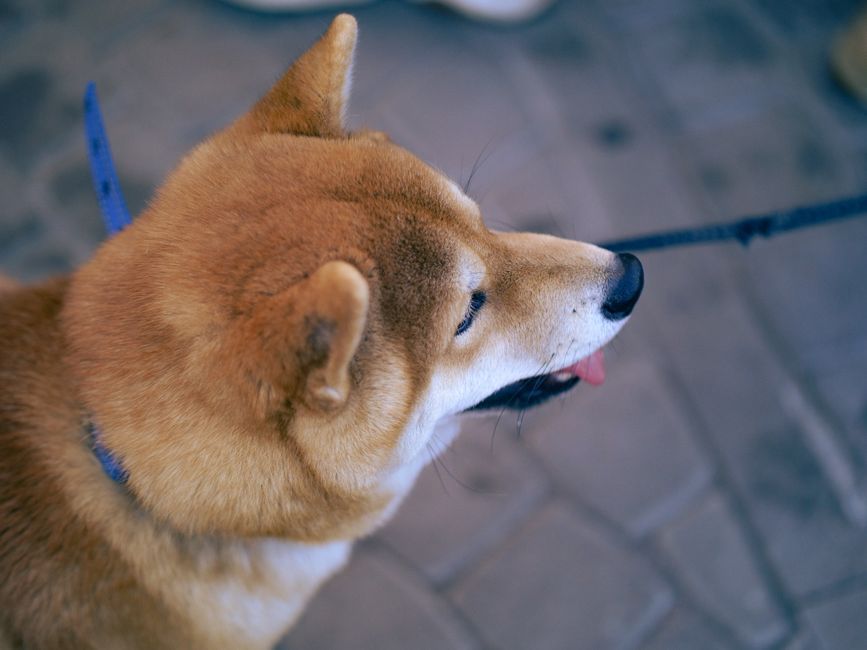
Shiba Inus were originally bred to hunt independently in mountainous terrain. That heritage is still in their genes: they like to think for themselves and are not easily persuaded. Where a Labrador is often eager to please, a Shiba is more likely to ask 'what’s in it for me?'. Once you understand this basic principle, you will immediately see why harsh corrections or endless repetition have little effect.
Start at a young age
Socialisation and puppy training are especially important for the Shiba Inu. The earlier your puppy gets to know other dogs, people, sounds and situations, the more easily he will adapt later on. If you wait too long, the breed’s innate watchfulness can turn into distrust or fear of the unknown.
- Introduce your puppy to a variety of people, animals and environments from the first few weeks
- Reward calm behaviour in new situations instead of reinforcing fear
- Start with short, playful training sessions of no more than five minutes
- Repeat exercises in different places so that the puppy generalises what he learns
Positive reinforcement works best
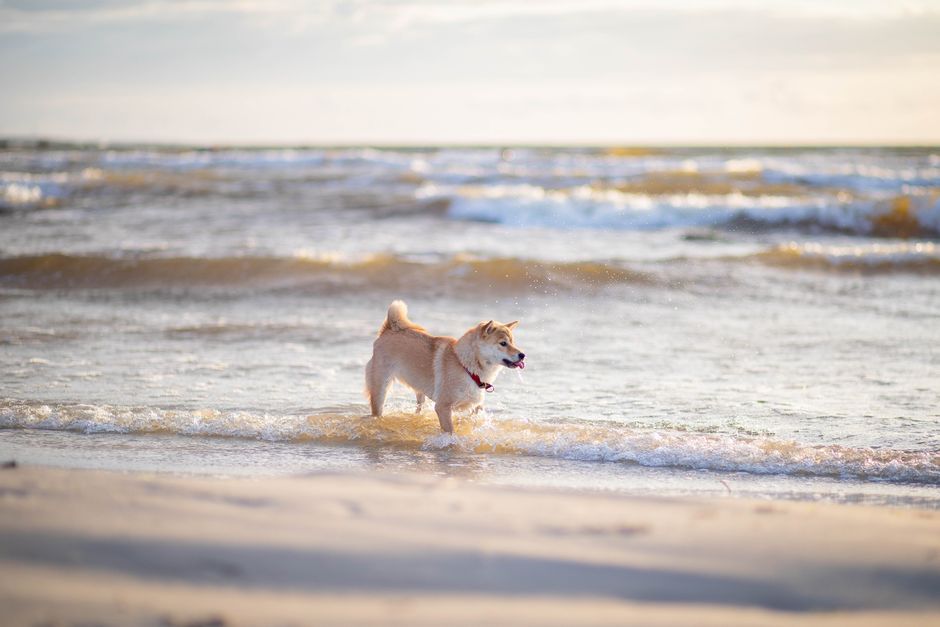
Shiba Inus barely respond to punishment or force; if anything, it makes them more stubborn or aloof. Reward-based training, with tasty treats, toys or enthusiastic attention, suits their character much better. Make sure the reward follows the desired behaviour immediately, so that the dog quickly makes the connection.
You don’t train a Shiba Inu by convincing him that you are the boss, but by letting him discover that working together pays off.
Experienced Shiba Inu owner
Short and varied training
A Shiba Inu loses interest in long, dull repetition very quickly. Instead, alternate short sessions with plenty of variety: a sit exercise one time, a scent game or a simple trick the next. This keeps training fun and stops your dog from switching off or even refusing to cooperate.
Focus on lead training
Many Shiba owners will recognise this: the dog that suddenly stands stock-still, also known as the 'Shiba scream', when he doesn’t agree with you. Calm, patient lead training from a young age helps enormously. Reward walking on a loose lead and avoid pulling or yanking, as this often only makes things worse.
Stay consistent, even when it’s difficult
Because a Shiba Inu likes to test boundaries, consistency from the whole family is essential. Agree on the same commands and stick to the same rules, even when your dog’s eyes are begging for an exception. This breed is quick to exploit any lack of clarity.
Patience as the key to success
The biggest pitfall in raising a Shiba Inu is impatience. This breed learns just as well as other dogs, but at its own pace and in its own way. If you combine playful, positive training with a good dose of patience and humour, you will build a strong bond with a dog that can ultimately be surprisingly loyal and affectionate.
If you have any doubts about your Shiba Inu’s behaviour or health, always consult a vet or a recognised dog trainer for personal advice.