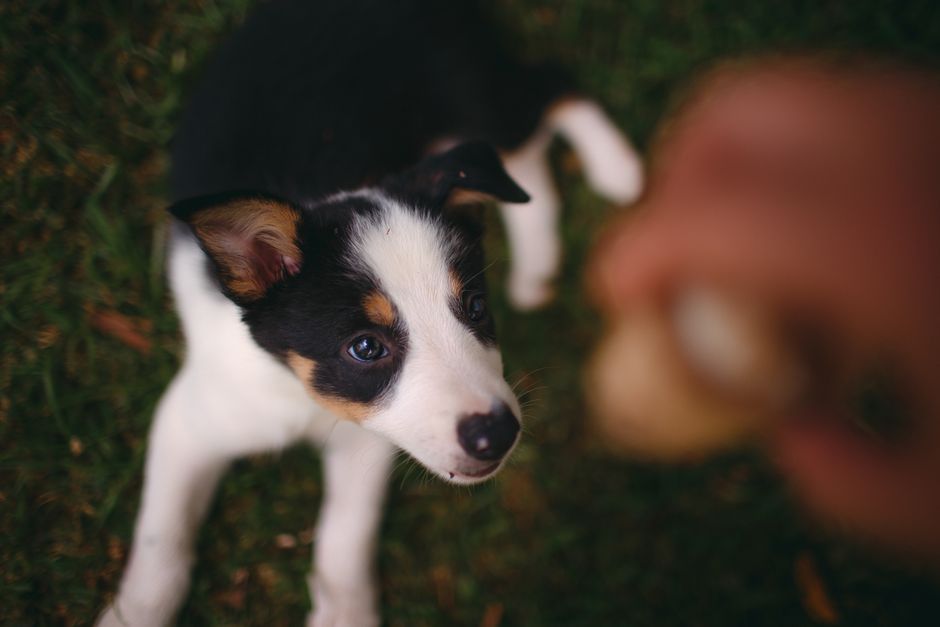
 Raising and training
Border Collie
Raising a Border Collie: practical training tips for a clever working dog
The Border Collie is known as one of the cleverest dog breeds in the world. This herding dog was bred to work independently, learn quickly and remain constantly alert. This makes it a fantastic companion for active owners, but it also means that raising and training this breed works slightly differently than with less active breeds. Without sufficient mental and physical stimulation, a Border Collie can quickly develop undesirable behaviour, such as excessive barking, chasing moving objects or destructive behaviour.
Start socialisation early
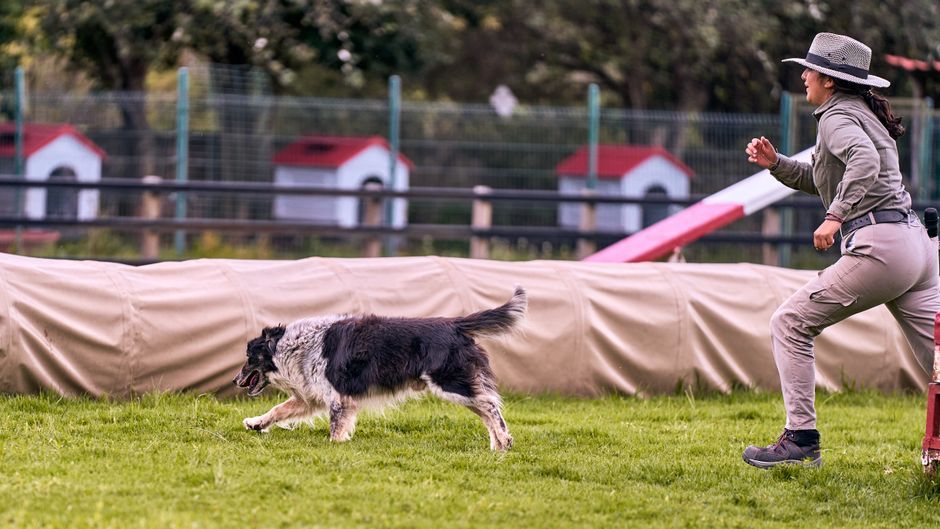
Border Collies are naturally alert and can sometimes be a little reserved in unfamiliar situations. You should therefore ensure that your puppy is introduced in a positive way to other dogs, people, sounds and environments from an early age. This will prevent the dog from reacting with fear or becoming overwhelmed by new stimuli later on. Take your puppy to quiet places, let it gradually get used to busy environments, and consistently reward calm behaviour.
Mental stimulation is just as important as physical exercise
Many owners think that a long walk or a run in the park is enough for a Border Collie. However, that is only part of the story. This breed has a huge need for mental stimulation. Without enough to think about, all that excess energy can manifest itself in problem behaviour.
- Scent and search games using toys or treats
- Puzzle toys and food dispensers
- Short, varied training sessions several times a day
- Teaching tricks, such as walking through a slalom course or pointing at objects
- Combining obedience exercises with physical activity, such as dog sports
Use positive reinforcement
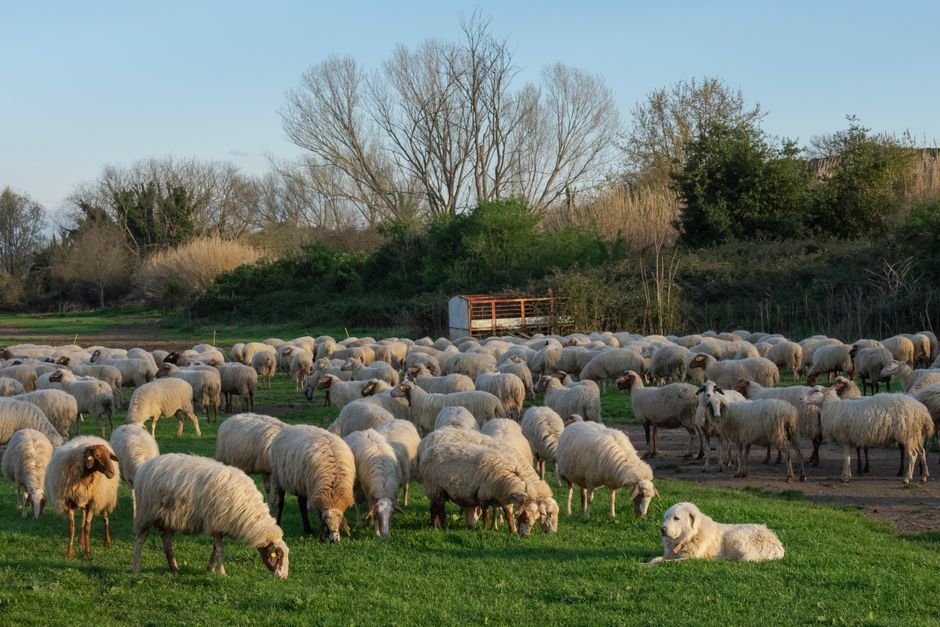
Border Collies learn very quickly, but they are also sensitive. Harsh corrections often backfire and can lead to insecurity or avoidance behaviour. Positive reinforcement, where you reward desired behaviour with a treat, a stroke or a toy, is much better suited to this breed’s learning style. Clicker training, for example, is particularly suitable, as it provides clear and immediate feedback at the exact moment the dog displays the correct behaviour.
A Border Collie that’s bored will look for work to do, and that work isn’t always what you had in mind.
Common advice amongst dog trainers
Channel the prey drive in a healthy way
As a herding dog, the Border Collie has a strong innate tendency to stare, stalk and chase. If not properly channelled, this behaviour can be directed towards cyclists, cars, children or other pets. Teach your dog from an early age to use this instinct at the right times, for example during specialised dog sports such as flyball or agility. This provides the dog with an appropriate outlet and prevents it from directing unwanted behaviour towards people or animals.
Consistency and clear rules
This point about consistency is essential: Border Collies are keen observers and quickly pick up on when rules are not enforced consistently. Make sure all family members use the same commands and set the same boundaries, so that the dog does not become confused. Short, clear training sessions with a fixed structure work better than long, unstructured sessions.
Stay patient and flexible
Despite their intelligence, Border Collies are also sensitive dogs who can become stressed if faced with too much pressure or overly high expectations. Build up training goals gradually, celebrate small successes and adapt the pace to your dog’s temperament. Some Border Collies are extremely driven, whilst others are slightly calmer by nature. Get to know your dog and tailor your training accordingly.
With the right combination of socialisation, mental stimulation, positive training and specific outlets for their natural instincts, a Border Collie will grow into a well-balanced, obedient and very enjoyable family pet. If, despite taking the right approach, you still notice persistent problem behaviour or signs of stress, always consult a vet or behaviourist if in doubt.