 General articles
Why do some dogs shake? These are the most common causes
Seeing your dog stand there trembling can be heartbreaking. Is he scared? Is he cold? Or is something more serious going on? Trembling is a normal bodily reaction and does not always have a worrying cause. Still, it is good to know the different reasons, so that you know when trembling is harmless and when you had better keep a closer eye on things.
Cold and temperature

Just like people, dogs shiver when they are cold. Small dogs with little body fat and a thin coat, such as Chihuahuas or Whippets, are particularly prone to this. Shivering makes the body produce heat, which helps to keep its temperature up. A warm coat on winter walks can bring a lot of relief.
Stress, anxiety and tension
Trembling often stems from emotional tension. Think of thunderstorms, fireworks, a visit to the vet or busy situations with lots of stimuli. The body then produces adrenaline, which can cause trembling. It helps to offer your dog calm and a sense of safety at such a moment, without comforting him excessively, as that can actually reinforce the tension.
Excitement and joy
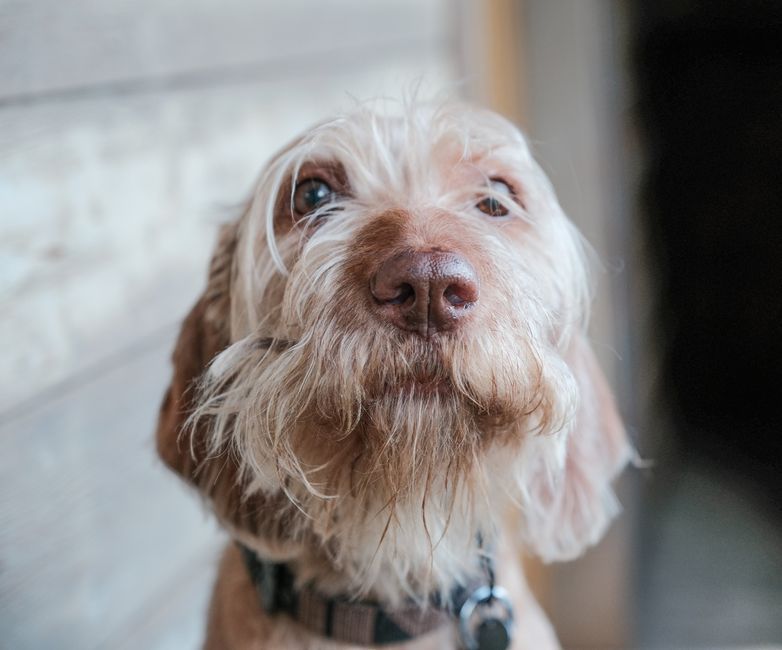
Not all trembling is negative. Many dogs also tremble with sheer excitement, for example when you come home or pick up the lead for a walk. This usually goes hand in hand with a wagging tail and a relaxed posture, and stops on its own once the excitement dies down.
Pain or discomfort
Trembling can also be a sign that a dog is feeling unwell or is in pain. This is often less sudden than trembling from cold or tension, and frequently goes together with other signs such as lethargy, eating less or a change in posture.
- Keep an eye out for accompanying signs such as drooling, difficulty breathing or lethargy
- See if the trembling persists or subsides quickly
- Note the situations in which the trembling starts
When should you pay attention?
Brief trembling due to cold, tension or excitement is usually harmless. However, if the trembling becomes more intense, persists or is accompanied by other symptoms such as vomiting, fever or extreme lethargy, caution is called for. If you are unsure about the cause or your dog is not behaving as usual, always consult a vet to rule out medical causes.