Group 2 · Pinschers & molossoids
Appenzell Cattle Dog
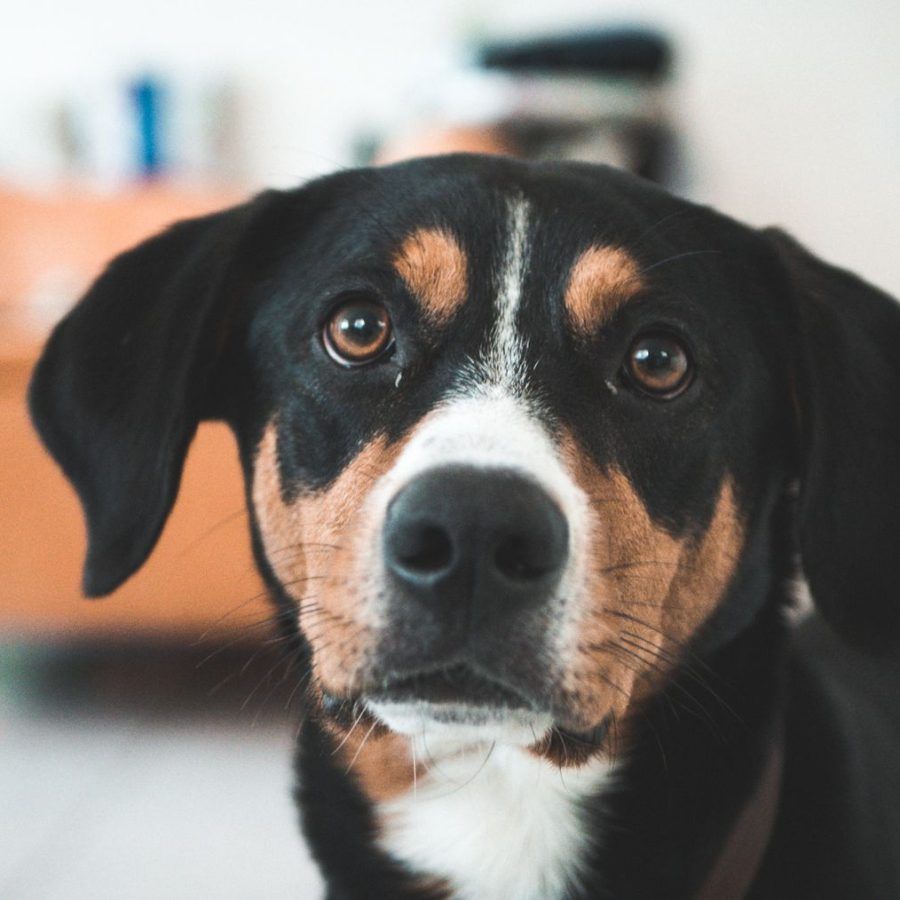
The Appenzell Cattle Dog is a medium-sized, tricolour Swiss farm dog with a curled tail and a lively character. It is watchful, hard-working and loyal, and the most energetic of the Swiss mountain dogs.
Health
These examinations come from the official breeding programme for the breed Appenzeller Sennenhond by Dierenwelzijn Vlaanderen (Animal Welfare Flanders). They apply to the puppies’ parents.
In short
Both parents must have 2 examinations:
- 2 X-ray examinations
A sample for DNA tests can be taken either with a mouth swab or by a blood sample. To carry out the examinations, the breeder uses a vet or a laboratory. For each examination below, you can see from what age and how often it must be done. Ask the breeder for the results of both parent dogs.
Mandatory examinations (2)
-
Elbow dysplasia
X-ray once at least 1 year
Official description
- Method
- X-ray (CT may be recommended, but is not mandatory)
-
Hip dysplasia
X-ray once at least 1 year (laxity views: at least 6 months)
Official description
- Method
- X-ray: VD view and laxity view (Vezzoni or PennHIP)
The breeding programme also contains the breeding advice for each examination and general rules on inbreeding, the number of matings per stud dog and the use of frozen semen. You can find these in the official document.
Source: breeding programme Appenzeller Sennenhond, Dierenwelzijn Vlaanderen, last updated on 12/05/2025.
View the official breeding programme (PDF, in Dutch)
A breeding programme reduces the risk of hereditary conditions, but does not offer a 100% health guarantee.
Translation of the Dutch breeding programme by Puppymakelaar. In case of any difference, the official document prevails.
This breed profile is not a breed sheet within the meaning of the Flemish Breeding Decree (Fokkerijbesluit). The legal rules for breeding this breed are set out in the official breeding programme.
Considerations when buying
According to the breeding programme approved by Dierenwelzijn Vlaanderen, these examinations must be carried out on both parent dogs: Elbow dysplasia and Hip dysplasia. A puppy with a Flemish pedigree comes from parent dogs bred according to this breeding programme. Ask for the results of both parent dogs and compare them with the overview above. An Appenzell Cattle Dog needs plenty of daily exercise and a job, such as dog sports, tracking or farm work. Its short, dense coat needs a weekly brush.
Questions for the breeder
- Have both parent dogs undergone all the mandatory examinations in the breeding programme, and may I see the results?
- What are the results of both parent dogs for Elbow dysplasia and Hip dysplasia?
- Will the puppy receive a Flemish pedigree from a recognised breed registry association?
- How are the puppies socialised before they go to their new home?
Breed-specific challenges
The Appenzeller is watchful and can bark a lot. It is strongly attached to its family and often reserved with strangers, which makes early socialisation important.
More background
General guides that help you understand this breed information and choose well.