 Training
Raising a puppy: house training, biting, being left alone and the basics
A well-trained dog is not a dog that obeys blindly, but one that knows what is expected of it and feels safe with its people. You lay the foundations in the first months. This guide sets out the key steps, from day one to adolescence.
How dogs learn
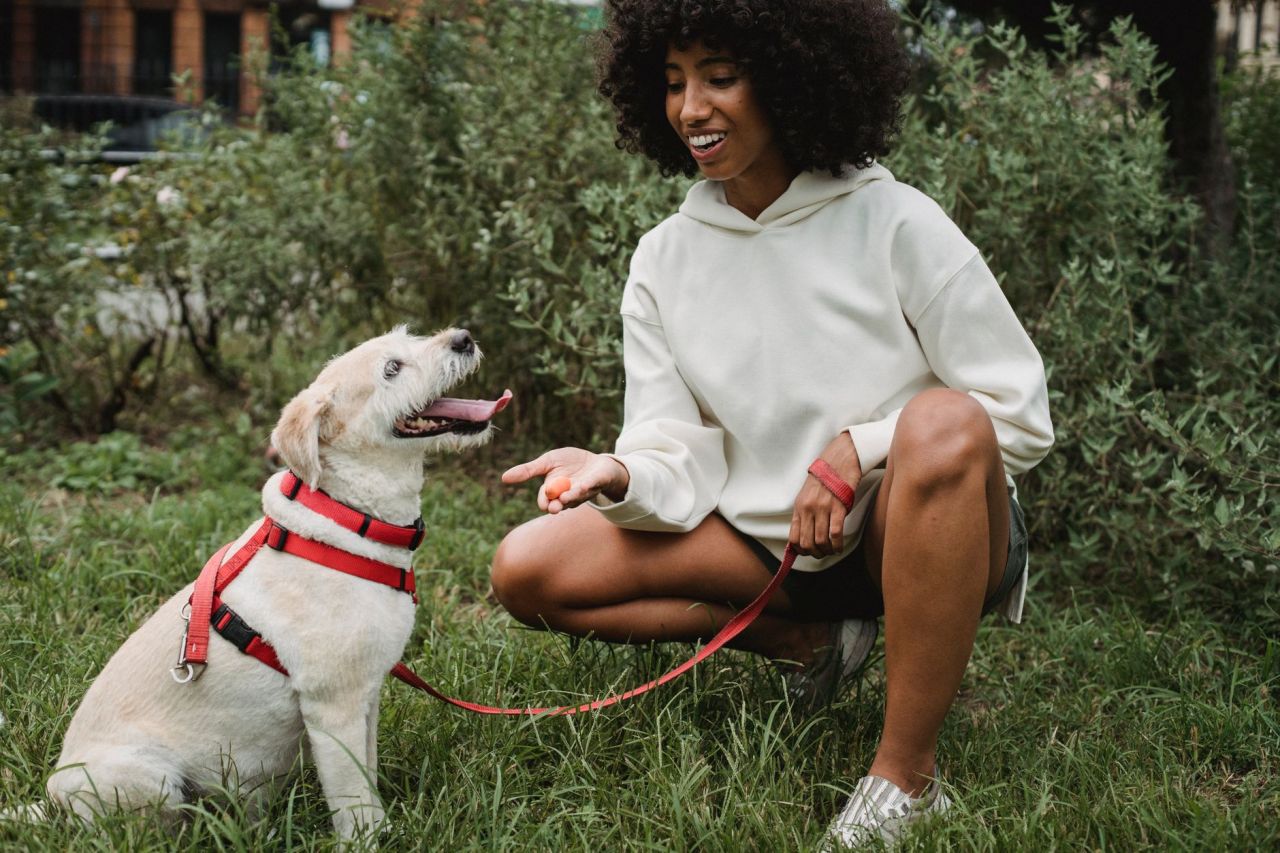
Dogs learn mainly by making associations: behaviour that brings something pleasant gets repeated. That is why rewards work so well. A reward can be a treat, but also play, attention or the chance to sniff. What you reward, you will see more often.
- Timing: reward within a second or two of the behaviour you want, or your dog won’t make the connection.
- Short and often: several short sessions a day work better than one long lesson.
- Clear: always use the same word for the same behaviour, and agree the rules with everyone in the household.
- Step by step: only make an exercise harder once it goes well in an easy situation.
Punishment using pain, fright or intimidation, such as lead jerks, hitting or shouting, is discouraged by vets and behaviour experts. Research shows such methods can cause stress, fear and aggression and damage your bond, while reward-based training is at least as effective.
The first days
Give your puppy a calm start with a fixed sleeping place, set times for eating, sleeping and going out, and not too many visitors. Agree house rules before it arrives: is it allowed on the sofa, where does it sleep, which rooms are off-limits? Being consistent from day one is much easier than changing rules later.
House training
A puppy has a small bladder and little control. Help it by taking it outside often, at the times when it needs to go:
- after sleeping and after naps;
- after eating and drinking;
- after play or excitement;
- and in addition, roughly every one to two hours during the day.
Take it to the same spot, wait calmly and reward it straight away when it goes. Never punish an accident indoors: that only teaches it to wee where you can’t see it. Clean up with a product that breaks down odours. A young puppy often still needs to go out once during the night. Most puppies are house-trained between four and six months, but every puppy develops at its own pace.
Play biting
Puppies explore the world with their mouths and bite during play, hands and clothes included. That is normal behaviour, but they need to learn how gentle to be.
- Pause the game briefly if it bites too hard, and carry on when it is calm.
- Offer a toy or chew to bite instead.
- Make sure it gets enough rest: an overtired puppy often bites more.
- Teach children not to run or squeal when the puppy bites, and never leave them alone together.
Being left alone
Many behaviour problems arise because a dog never learned to settle calmly on its own. Start with very short periods while you are in another room, and build up slowly. When you leave, give it something to chew or a food puzzle, and avoid big goodbyes or over-the-top greetings. If your dog howls, barks or destroys things when alone, take a step back and get help if problems persist: separation anxiety is a real welfare issue.
Basic exercises
- Name: reward your puppy when it looks at you as you say its name.
- Come: the most important exercise; see below.
- Sit and down: useful for bringing calm to exciting situations.
- Stay: build up duration and distance step by step.
- Drop or give: swap an object for a reward, so it learns that giving things up pays off.
- Loose-lead walking: stop when the lead goes tight and move on when it goes slack; reward when it walks beside you.
Recall
A reliable recall can save your dog’s life. Practise first indoors and in the garden, then outside on a long line. Reward generously every time it comes, even if it took a while. Never call it for something unpleasant, such as a bath or the end of a fun walk, and don’t chase after it: that turns it into a game. Hunting dogs and sighthounds need extra recall practice; for some breeds, off-lead time is only safe in a fenced area.
Adolescence
Between roughly six and eighteen months, sometimes longer in large breeds, many dogs go through adolescence. A dog that listened well as a puppy suddenly seems to have forgotten everything, or becomes more distracted or less confident. That is normal. Stay patient, keep exercises easy and successful, and provide enough rest and stimulation. It passes.
Training classes and help
A puppy class and further training are valuable, especially for first-time owners. Choose a school that uses rewards, works in small groups and never asks you to hurt your dog. If your dog is very fearful, reacts strongly to people or dogs, or cannot be left alone, get help from your vet and a qualified behaviourist. Also read the guide Socialising puppies.
In short
- Dogs learn through reward: reward quickly, briefly and consistently.
- Punishment using pain or fright backfires and harms welfare.
- Help your puppy become house-trained by taking it out at the right moments.
- Teach it to be gentle with its teeth and to settle calmly when alone.
- Practise recall as the most important safety exercise.
- Be patient during adolescence and get help early if problems arise.
Sources
- Position Statement on Humane Dog Training (American Veterinary Society of Animal Behavior (AVSAB))
- The effects of using aversive training methods in dogs: a review (Journal of Veterinary Behavior, 2017) (G. Ziv)