Group 7 · Pointing dogs
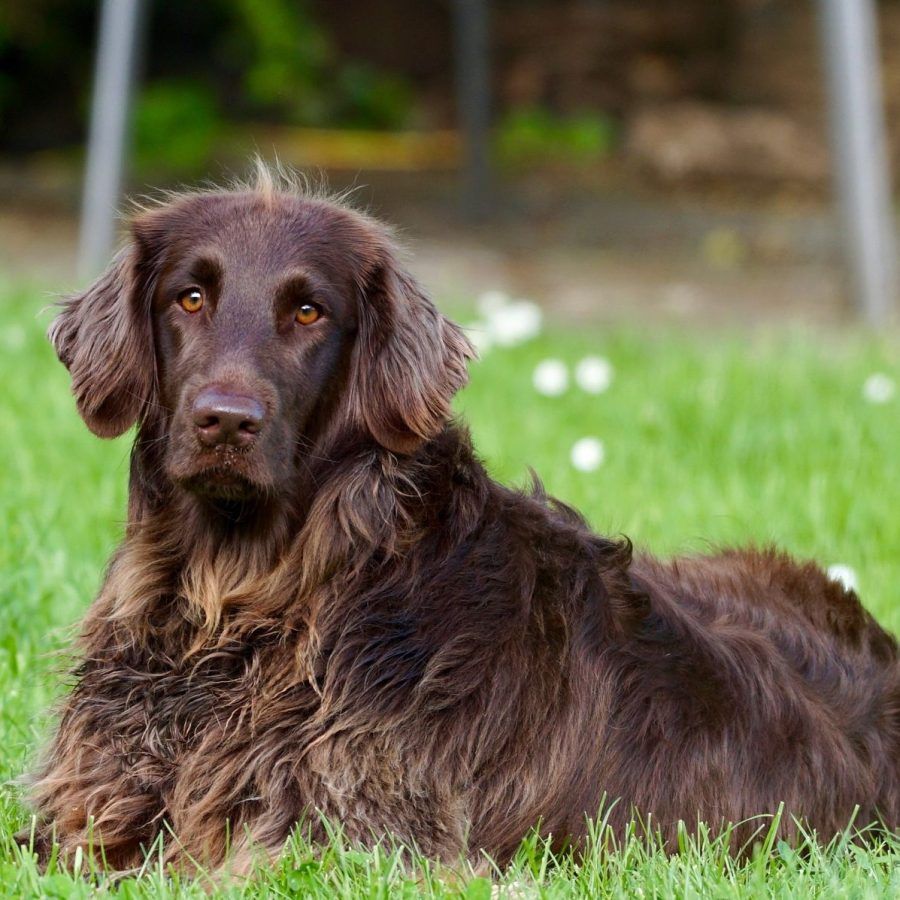
German Longhaired Pointer
The German Shorthaired, Wirehaired and Longhaired Pointers are versatile gundogs, bred to work on land and in water. They are intelligent, energetic and friendly, but need plenty of exercise and a job to do.
Health
These examinations come from the official breeding programme for the breed Duitse staande hond – langhaar by Dierenwelzijn Vlaanderen (Animal Welfare Flanders). They apply to the puppies’ parents.
In short
Both parents must have 2 examinations:
- 1 DNA test
- 1 X-ray examination
The breeding programme also recommends 1 further examination.
A sample for DNA tests can be taken either with a mouth swab or by a blood sample. To carry out the examinations, the breeder uses a vet or a laboratory. For each examination below, you can see from what age and how often it must be done. Ask the breeder for the results of both parent dogs.
Mandatory examinations (2)
-
Exfoliative cutaneous lupus erythematosus (ECLE)
DNA test Once from birth
Official description
- Method
- DNA test
- Gene variant (for the laboratory)
- UNC93B1: c.1438C>A
- Inheritance
- autosomal recessive
-
Hip dysplasia (HD)
X-ray Once at least 1 year (laxity views: at least 6 months)
Official description
- Method
- X-ray: VD view and laxity view (Vezzoni or PennHIP)
Recommended examinations (1)
-
Eye disorders
Eye examination Valid for 2 years at least 1 year
Official description
- Method
- General eye examination
The breeding programme also contains the breeding advice for each examination and general rules on inbreeding, the number of matings per stud dog and the use of frozen semen. You can find these in the official document.
Source: breeding programme Duitse staande hond – langhaar, Dierenwelzijn Vlaanderen, last updated on 18/07/2026.
View the official breeding programme (PDF, in Dutch)
A breeding programme reduces the risk of hereditary conditions, but does not offer a 100% health guarantee.
Translation of the Dutch breeding programme by Puppymakelaar. In case of any difference, the official document prevails.
This breed profile is not a breed sheet within the meaning of the Flemish Breeding Decree (Fokkerijbesluit). The legal rules for breeding this breed are set out in the official breeding programme.
Considerations when buying
According to the breeding programme approved by Dierenwelzijn Vlaanderen, these examinations must be carried out on both parent dogs: Exfoliative cutaneous lupus erythematosus (ECLE) and Hip dysplasia (HD). The breeding programme also lists these recommended examinations: Eye disorders. A puppy with a Flemish pedigree comes from parent dogs bred according to this breeding programme. Ask for the results of both parent dogs and compare them with the overview above. As a pointing dog, the German Longhaired Pointer needs plenty of daily exercise, ideally with work for its nose: search games, retrieving or gundog training. Its coat is easy to look after with a weekly brush; check its ears and paws after walks in the fields.

Questions for the breeder
- Have both parent dogs undergone all the mandatory examinations in the breeding programme, and may I see the results?
- What are the results of both parent dogs for Hip dysplasia (HD)?
- Is the general eye examination of both parent dogs still valid? According to the breeding programme: Valid for 2 years.
- Will the puppy receive a Flemish pedigree from a recognised breed registry association?
- How are the puppies socialised before they go to their new home?
Breed-specific challenges
This gundog is sensitive and very focused on its owner, and responds best to kind, patient training. Without enough to do it gets bored. Its hunting instinct calls for good recall training.
More background
General guides that help you understand this breed information and choose well.