 Advice
Belgian Shepherd Dog (Malinois)
The Belgian Shepherd Dog (Malinois) as a family dog: an honest account
The Malinois, one of the four varieties of the Belgian Shepherd Dog, has an impressive reputation. You see them with the police, the army and in rescue operations. That working dog status makes them popular, but it also raises a valid question: is this breed really suitable as a family pet in an average household? The answer is nuanced and depends very much on who you are and what you can offer.
A bundle of energy with a sharp mind
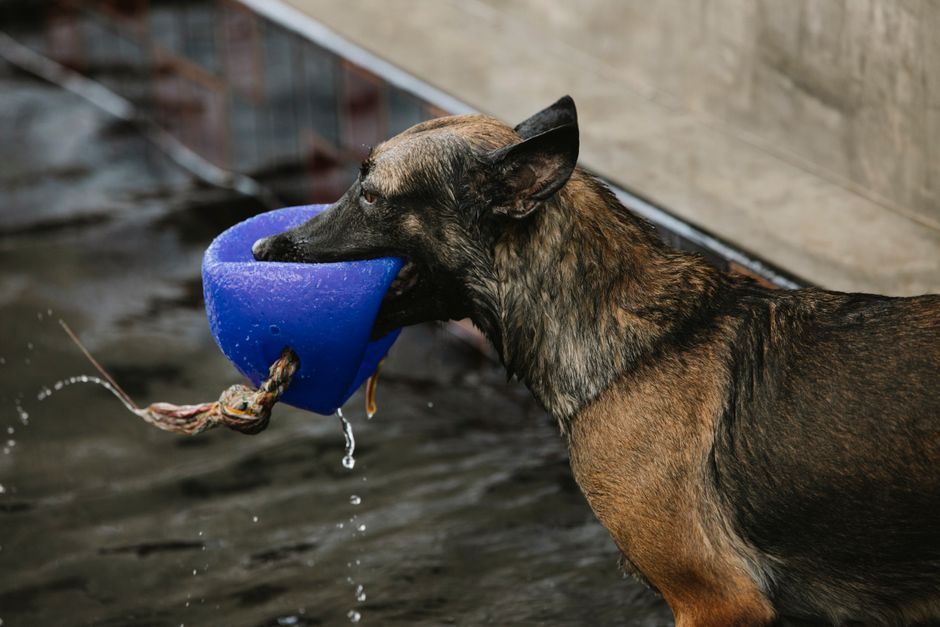
Malinois were bred to work. They have tremendous stamina, are alert and learn at lightning speed. That is precisely why they are so popular for service work, but it also means that a Malinois will quickly become frustrated in a home where not much happens. In this breed, boredom often manifests as undesirable behaviour such as excessive barking, digging or destructive chewing.
So, for families looking for a laid-back couch potato, this isn’t the first choice. But for active families who enjoy walking, cycling or dog sports, the Malinois can actually be a fantastic companion.
Interacting with children
Well-socialised Malinois can get on well with children and often form a strong bond with their family. Nevertheless, caution is advised. This breed has a naturally strong prey drive and protective instinct, and young children who run, scream or move unpredictably may unintentionally trigger these instincts. Consistent socialisation from an early age, together with clear rules for both parties, is essential.
- Teach children how to interact calmly with the dog
- Never leave young children unsupervised with the dog
- Involve children in training as soon as they are old enough
- Give the dog its own quiet spot where it can retreat
The need for mental and physical challenges
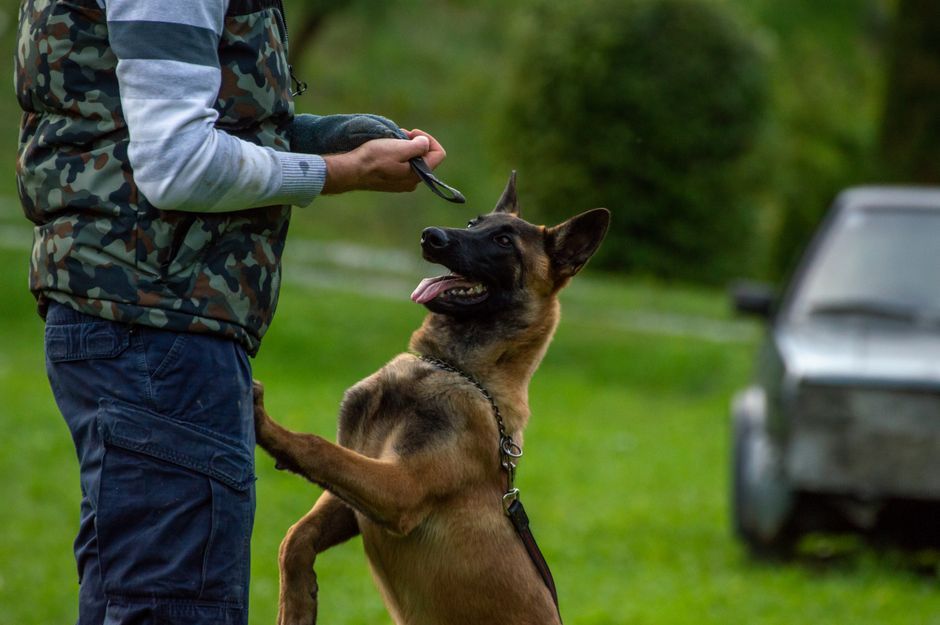
A family considering getting a Malinois must be prepared to invest heavily in exercise and training. Long walks on their own are often not enough; this breed thrives on having a purpose. Think of tracking, agility, flyball or obedience training. Without that challenge, frustration sets in, and frustrated Malinois can develop problematic behaviour.
A Malinois that feels it is making a useful contribution is a contented and manageable family pet. Boredom is this breed’s greatest enemy.
Upbringing and consistency
This breed requires a trainer who is consistent, calm and clear. Malinois are intelligent enough to quickly realise whether or not rules are being enforced. Uncertainty or inconsistency on the part of the owner can lead to dominant or restless behaviour. For inexperienced dog owners, this breed is therefore not the most obvious choice.
Social environment and other pets
With the right socialisation, Malinois can live harmoniously with other pets, but their hunting instinct remains something to watch, particularly around cats or small animals. You should therefore always introduce new household pets gradually and under supervision.
Who is the Malinois actually suitable for?
The Malinois is not a breed for everyone, but can be a wonderful family dog for active, experienced dog lovers who can provide time, energy and structure. Families who enjoy outdoor activities, training sessions and a dog that is closely involved in daily life will find a loyal and versatile companion in this breed.
Are you unsure whether this breed is suitable for your family situation, or have you noticed behavioural problems in your dog? If so, always consult an experienced dog trainer or vet for personalised advice.