 Raising and training
Beagle
Raising and training a Beagle: patience, a keen sense of smell and a healthy dose of humour
Beagles are cheerful, sociable little dogs with infectious energy and a nose that overrules everything else. As a scent hound, the Beagle was bred to follow scents, which means it is easily distracted as soon as an interesting trail comes along. That makes training a Beagle a fun but unique challenge: you’re not just training a dog, you’re training a nose with four legs attached.
Why Beagles react differently to training
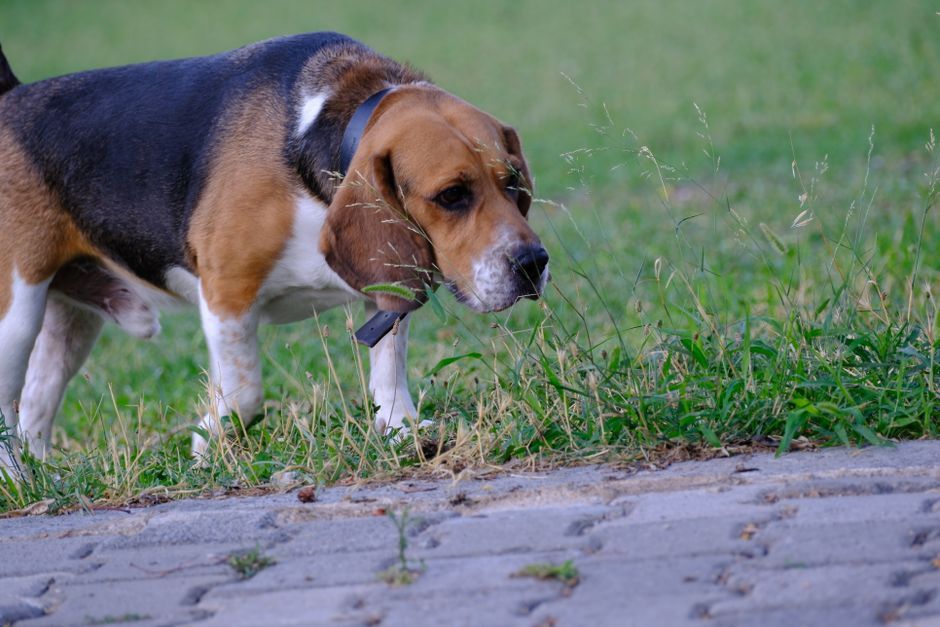
Unlike breeds that have been bred primarily to watch their owner, the Beagle has been bred to follow a scent trail independently, often at a distance from the hunter. That independent nature is still very much present. The result: a Beagle is sometimes a little slower to respond than a herding dog, not because it is stupid, but because its nose simply speaks louder than your voice. Understanding this is the first step towards a realistic and effective training approach.
Start socialising them from a young age
The sooner you start, the smoother the training will go. From the very first weeks, introduce your puppy to different people, dogs, sounds and environments. Beagles are generally friendly and adaptable, but a good period of socialisation helps prevent anxious or overly protective behaviour later on.
- Introduce the puppy to other dogs in a safe, positive way
- Take him to busy places such as a market or a park
- Get him used to the lead, the car and being on his own, one small step at a time
- Reward calm behaviour in new situations with a treat or a stroke
Reward-based training works best
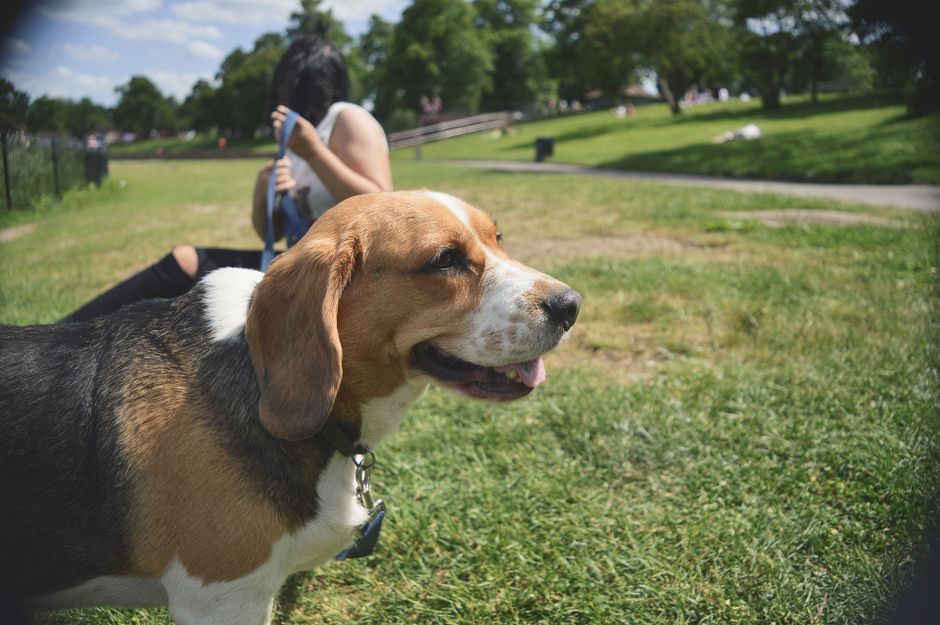
Beagles respond very well to positive reinforcement, particularly when food is used as a motivator. Their sense of smell and appetite work hand in hand, and you can use that to your advantage. Use small, tasty rewards during training sessions and keep the exercises short and fun. Long, boring repetitions will quickly lose a Beagle’s attention.
You don’t train a Beagle with strictness, but with consistency, humour and a handful of tasty treats.
Experienced Beagle owner
Recall training: the biggest challenge
Walking off-lead is a pipe dream for many Beagle owners, and with good reason. As soon as a Beagle picks up an interesting scent, it can seem completely deaf to its name. You should therefore train it intensively to come when called, and always start in an enclosed, low-stimulus environment. Build up the difficulty gradually and reward it every time it comes back, even if it frustrates you that it went for a wander first. For your dog’s safety, a long line in unfamiliar or unfenced areas is a sensible intermediate step towards greater freedom.
Mental stimulation alongside physical training
A Beagle that’s bored will find something to do on its own, and that’s often not what you had in mind. Scent games, puzzle toys and nosework exercises are perfectly suited to its natural instincts and leave its brain tired and contented. Hide pieces of kibble in the garden or around the house and let it search for them; this channels its urge to track in a positive way.
Barking and howling: common challenges
Beagles are well known for their vocalisation. They love to bark, howl and whine, especially when they’re left on their own or catch the scent of something interesting. Consistently ignoring unwanted barking, combined with rewarding quiet behaviour, helps to keep this under control. You should also actively train them to be left alone at home from a young age, in short, gradual sessions, to prevent separation anxiety.
Consistency is key
As with any breed, everyone in the family must follow the same rules and commands. Beagles are clever enough to spot inconsistency and will eagerly take advantage of it. Short, daily training sessions with plenty of repetition and positive associations yield the best results in the long term. If you have any concerns about your Beagle’s behaviour or health, always consult a vet or a qualified dog behaviourist.