 Behaviour
Beagle
The Beagle’s character and temperament: what you need to know about this cheerful sniffer
The Beagle is one of the most popular dog breeds in the world, and with good reason. With its cheerful demeanour, sociable nature and recognisable appearance, this small hunting dog has a knack for winning hearts. But what really makes the Beagle’s temperament so special? In this article, we take a closer look at the personality of this keen sniffer and discuss what future owners need to bear in mind.
From hunting dog to family dog
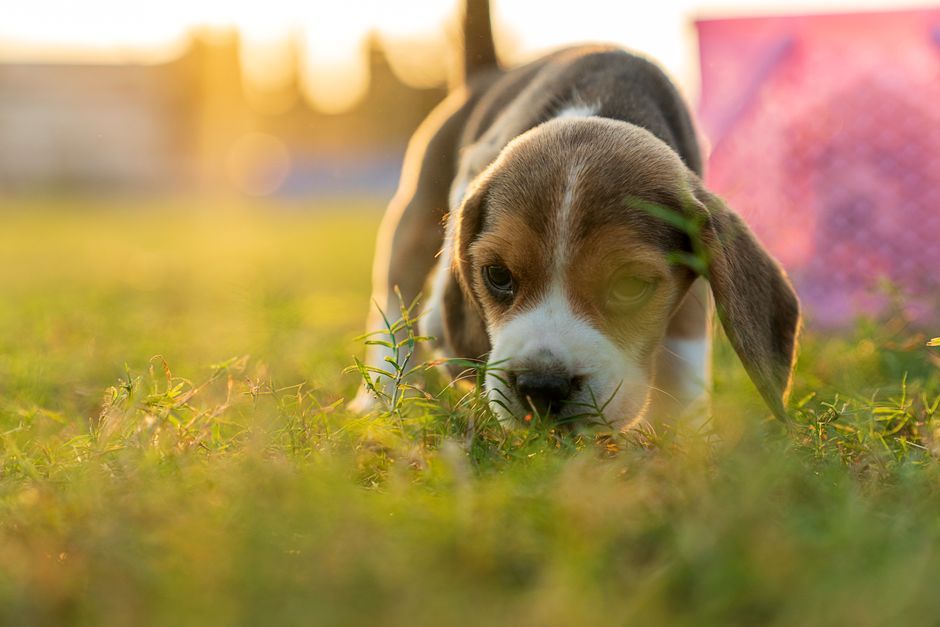
The Beagle was originally bred to hunt rabbits and hares in packs. This hunting background is still deeply rooted in the breed’s character. Beagles have an exceptional sense of smell and love to follow every trail they come across. This makes them curious, alert and sometimes rather stubborn when their nose takes over from their ears. Despite these hunting instincts, over the years Beagles have become excellent family dogs that love human company.
Friendly and sociable
One of the Beagle’s most striking traits is its friendly nature. These dogs are rarely aggressive and generally get on well with other dogs, children and even strangers. Because they originally worked in packs, Beagles have a strong need for company. They do not cope well with being alone for long periods and often make this very clear by whining, barking or howling when they are left on their own for too long.
- Very sociable with people and other dogs
- Playful and energetic, especially when young
- Curious because of their strong hunting instinct
- Prone to separation anxiety if left alone too much
- Tenacious once they pick up a scent
Stubborn but not stupid
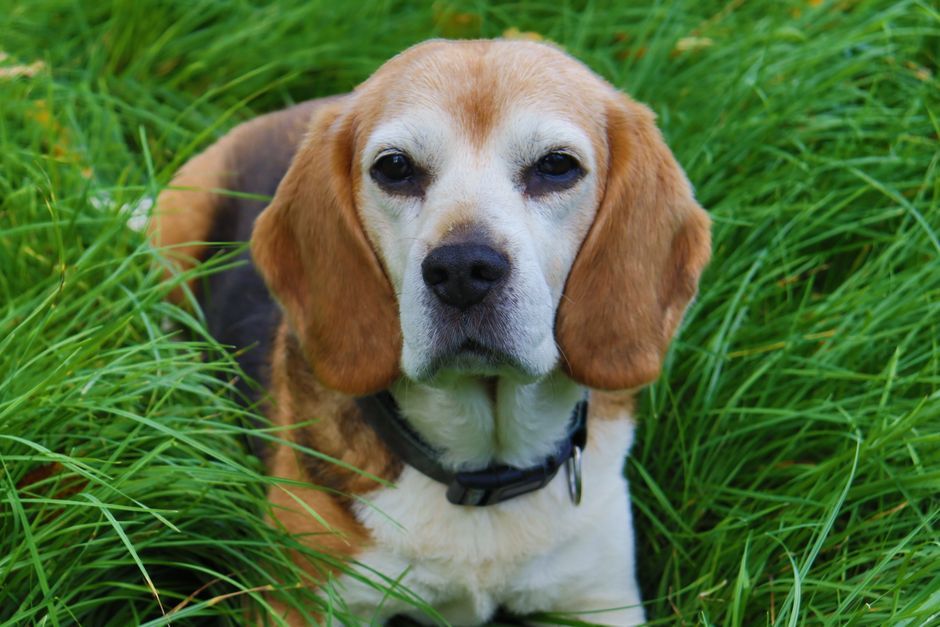
Beagles are known for being stubborn, but this is not because they lack intelligence. On the contrary, they are clever dogs that know exactly what they want. Their strong independent streak, combined with their nose-led behaviour, can make training a challenge at times. Once an interesting scent catches their attention, it can be hard to win that attention back. Consistency, patience and positive reinforcement are essential for raising a Beagle well.
A Beagle listens best when the reward is more interesting than the scent it has just picked up.
Experienced Beagle owner
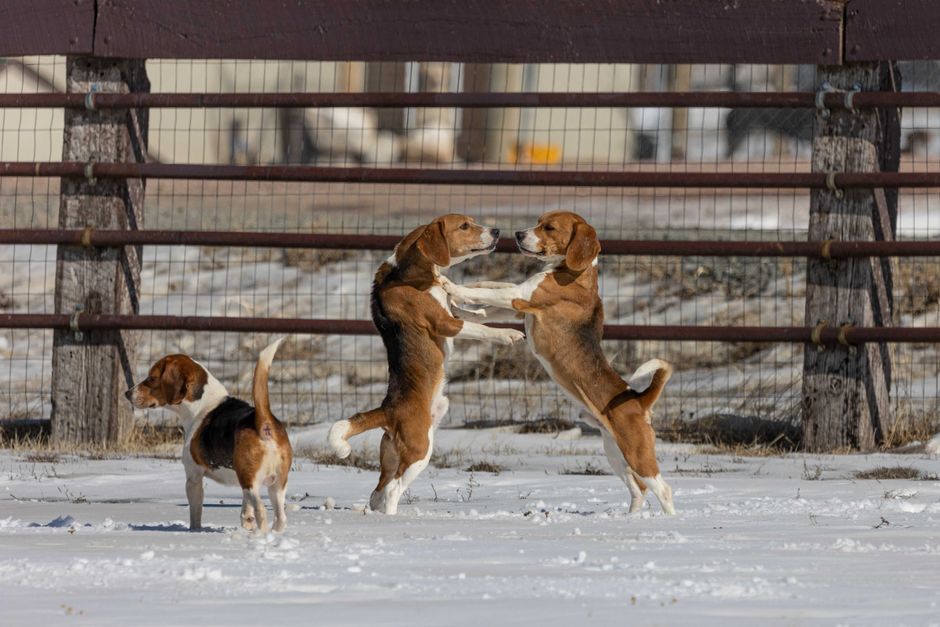
Energetic and playful
Beagles are active dogs that need plenty of exercise every day. Without enough physical and mental stimulation, they can become bored, which often shows itself in destructive behaviour such as digging or chewing. Scent games, long walks and puzzle toys suit their natural aptitude and keep them content. A tired Beagle is usually a calm and happy Beagle.
Barking and howling
It is worth knowing that Beagles are quite vocal by nature. They use their characteristic ‘bay’ to communicate, especially when hunting or when they discover something interesting. In a home setting, this can sometimes be a nuisance, particularly if you live close to your neighbours. Early socialisation and training can help to curb excessive barking to some extent.
Suitable for families
Thanks to their friendly and patient nature, Beagles are generally excellent family dogs. They get on well with children and are often playful enough to play with them for hours. It is important, however, to teach children how to treat the dog with respect, and always to supervise young children and dogs when they are together.
The Beagle combines a cheerful, sociable character with a strong hunting instinct and a good dose of wilfulness. For those willing to invest in training, exercise and companionship, the Beagle makes a loving and cheerful companion. If you have any doubts about your Beagle’s behaviour or health, always consult a vet or a behaviourist.