 Diseases
Beagle
Beagle: health according to the breeding programme and good care
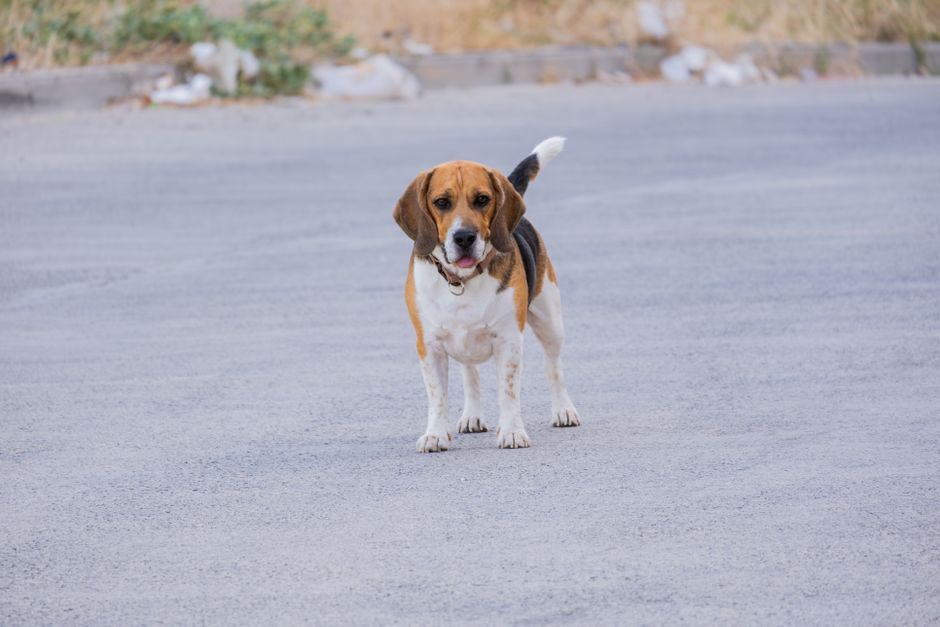
The Beagle is a cheerful, sturdy scent hound. The hereditary conditions that breeding in Flanders keeps an eye on are set out in the breeding programme approved by Dierenwelzijn Vlaanderen (DWV). This article sums up what that programme requires and what you can do yourself.
What the Beagle breeding programme requires

According to the breeding programme, these examinations must be carried out on both parent dogs:
- A DNA test, from birth and once, for progressive retinal atrophy (cord1-PRA/crd4), degenerative myelopathy (DM), factor VII deficiency, hypocatalasia, Imerslund-Gräsbeck syndrome (IGS) and Musladin-Lueke syndrome (MLS).
- A lateral X-ray for chondrodystrophy and intervertebral disc disease (IVDD), from 2 years and once.
The programme also recommends a DNA test for congenital myasthenic syndrome (CMS), exercise induced collapse (EIC), pyruvate kinase deficiency (PKLR), Primary Open Angle Glaucoma (POAG) and progressive retinal atrophy (Prcd-PRA), and palpation of the kneecap for patellar luxation, from 1 year.
How to read the results and the breeding advice is explained under DNA test (hereditary conditions).
Weight and exercise
A Beagle happily follows its nose, food included. Keep an eye on its weight with measured portions, few treats and enough daily exercise.
Ears
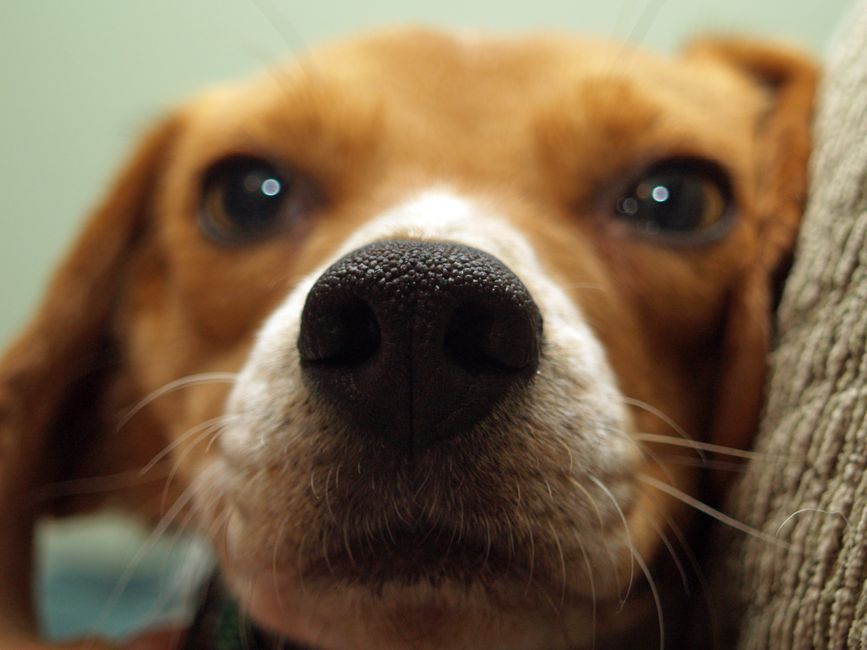
Check the drop ears regularly for dirt, smell or redness and clean them when needed.
What can you do yourself?
- Keep an eye on your Beagle's weight and adjust food and exercise.
- Check the ears regularly.
- Have your dog checked by the vet every year, even if it seems healthy.
- When buying, ask for the results of the mandatory examinations of both parent dogs.
- Ask whether the puppy will receive a Flemish pedigree from a recognised breed registry association.
Any doubts about your dog's health? Always consult a vet.
Sources
- Fokprogramma's honden (Dierenwelzijn Vlaanderen)
- Fokkerijbesluit: veelgestelde vragen (Dierenwelzijn Vlaanderen)