 Diseases
Pug
Pug: breathing, breeding programme and good care
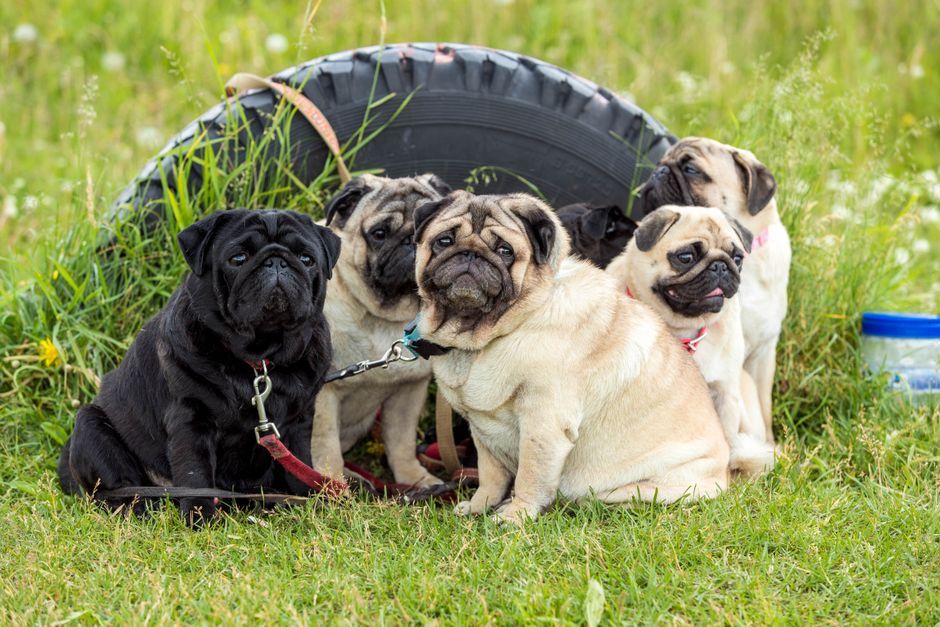
The Pug is a cheerful, affectionate companion. The hereditary conditions that breeding in Flanders keeps an eye on are set out in the breeding programme approved by Dierenwelzijn Vlaanderen (DWV). This article sums up what that programme requires and how to look after your Pug well.
Breathing: what the breeding programme says
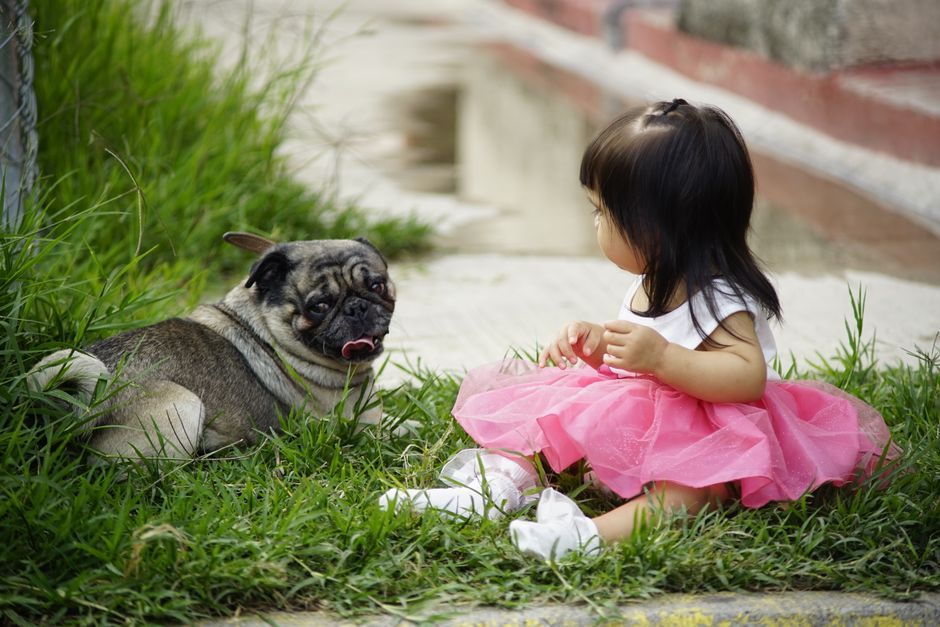
The Pug is a short-nosed breed. The breeding programme puts it this way: BOAS is a hereditary condition, and there is currently no generally recognised scientific test that vets can carry out. In the meantime, dogs with severe breathing problems, too short a stop and narrow nostrils (stenotic nares), diagnosed by the vet, are not used for breeding. Breeders taking part in the breeding programme commit to cooperating with the studies of the Breeding Healthy Pets project.
Mandatory examinations
According to the breeding programme, these examinations must be carried out on both parent dogs:
- A lateral X-ray for chondrodystrophy and intervertebral disc disease (IVDD), from 2 years and once.
- Palpation of the kneecap for patellar luxation, from 1 year and once.
- A general eye examination, from 1 year and valid for 2 years.
- A DNA test, from birth and once, for degenerative myelopathy (DM) and von Willebrand disease type 1.
The programme also recommends a DNA test for progressive retinal atrophy (cord1-PRA/crd4).
Heat and exertion
- Walk at cooler times of the day.
- Always provide shade and fresh water.
- Keep walks and play calm and not too long.
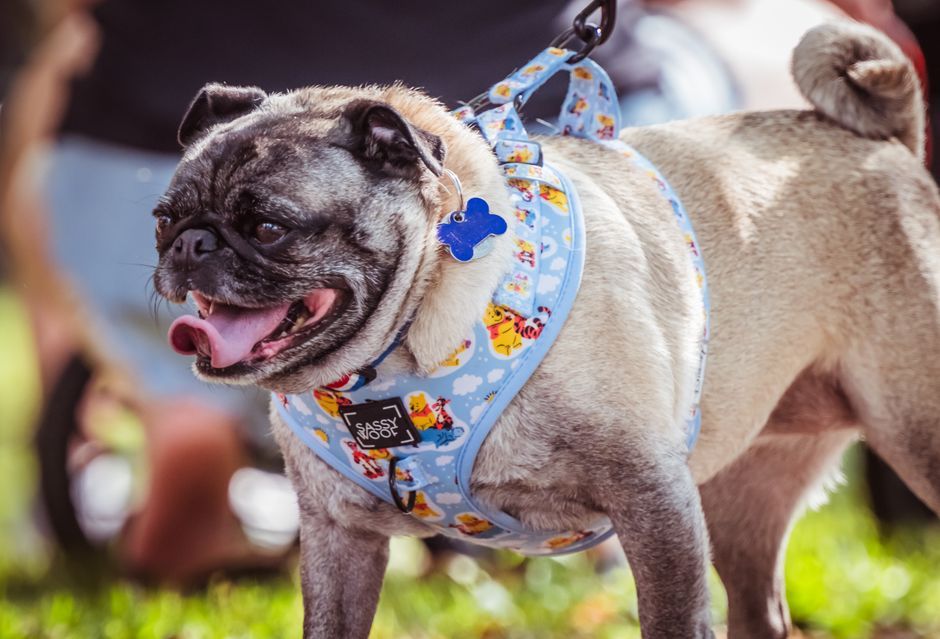
- Use a harness rather than a collar.
Grooming
- Clean the skin folds regularly.
- Keep an eye on weight with a balanced diet and few treats.
- Watch for scratching or rubbing of the eyes.
When buying
Ask for the results of the mandatory examinations of both parent dogs, and ask the breeder about the breathing of both parent dogs. Also ask whether the puppy will receive a Flemish pedigree from a recognised breed registry association.
Does your Pug struggle to breathe or tire quickly? Always consult a vet.
Sources
- Fokprogramma's honden (Dierenwelzijn Vlaanderen)
- Fokkerijbesluit: veelgestelde vragen (Dierenwelzijn Vlaanderen)